The method of
Conductive Education
Together to build independence
every day
“The Conductive Education method is a holistic educational approach aimed at children with central motor disabilities and can also be applied after growth and throughout adulthood. Developed by Prof. András Pető, it combines movement, communication, and thinking in an active learning process. The goal is to maximize the child’s abilities, strengthen self-esteem, and promote independence in daily life, at school, and within the community.
Conductive Education
A method that educates, not just rehabilitates.
The Conductive Education Method
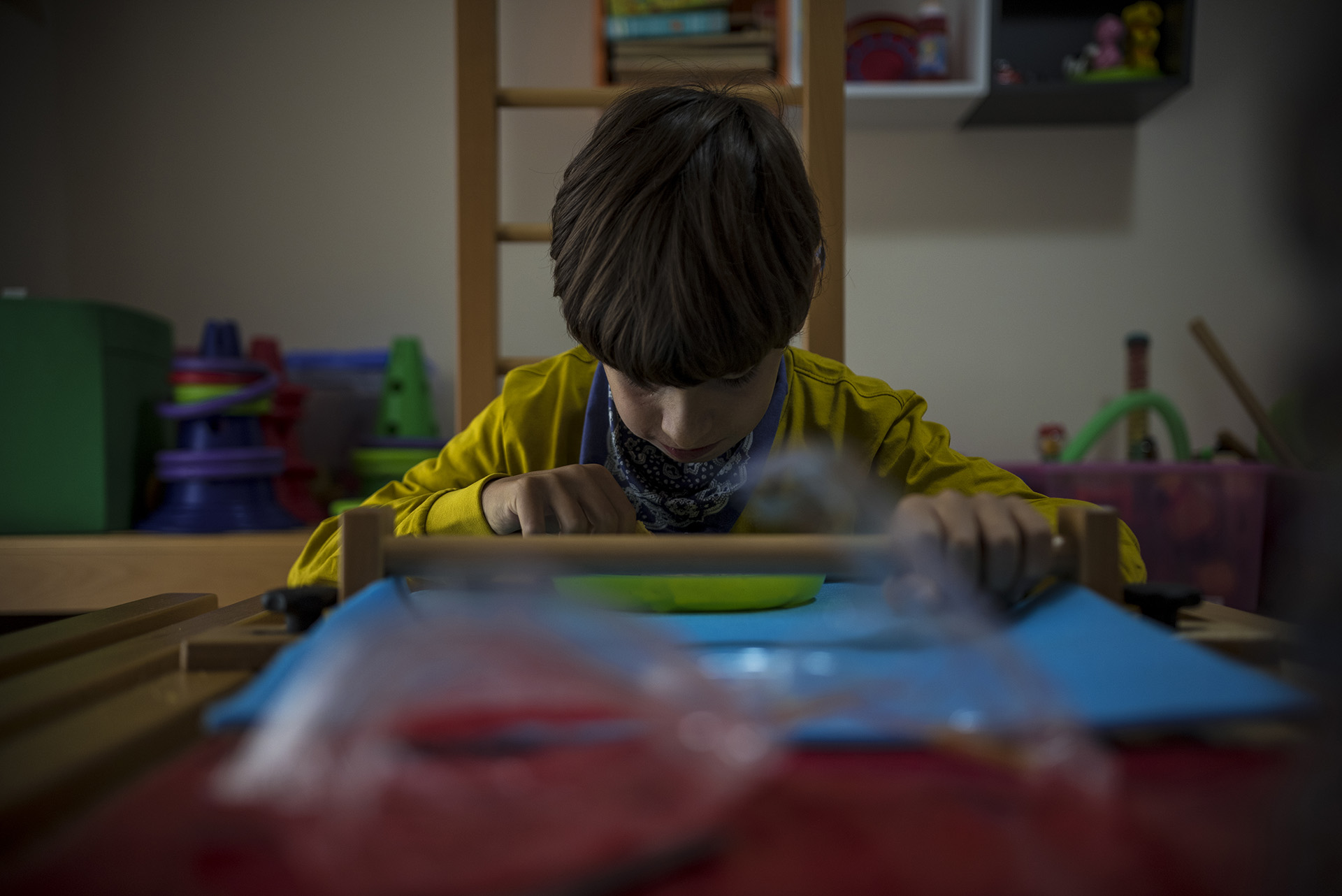
Conductive Education is an integrated approach that simultaneously works on movement, communication, and cognitive skills.
It is an educational and learning system developed by Prof. András Pető, a Hungarian neuropsychiatrist, who since the 1950s has developed it for people with motor disorders of neurological origin, particularly for cerebral palsy.
This method is a holistic educational path aimed at promoting independence through the active involvement of the child with a disability.
Following a brain injury, whether perinatal or acquired, overall development can be affected not only from a motor perspective but also in cognitive, sensory, and relational areas.
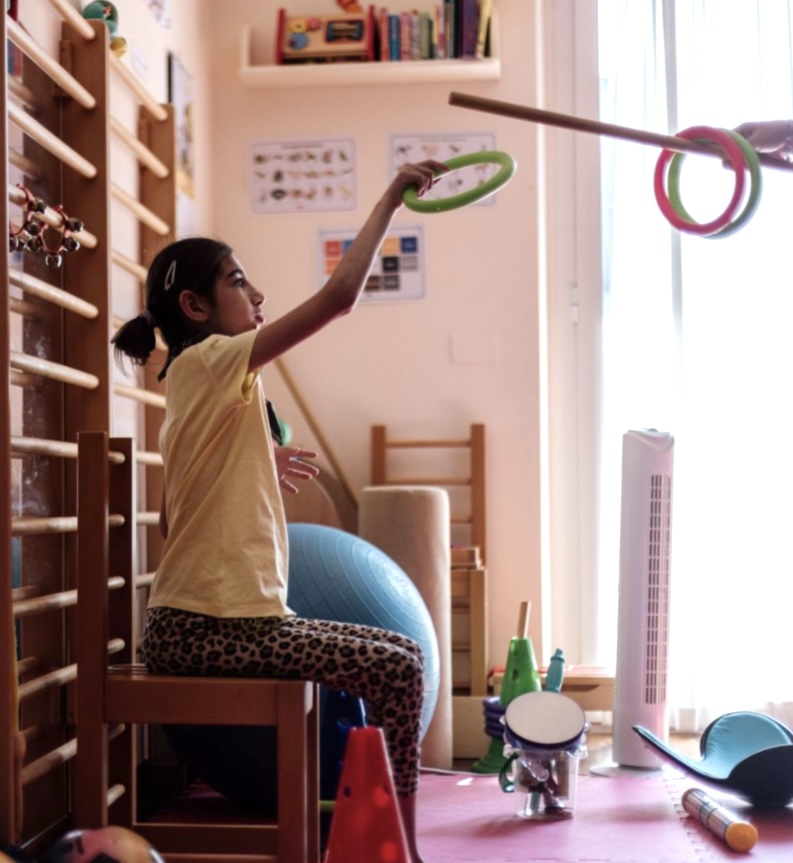
With this in mind, Conductive Education professionals — called Conductors — work from the very first session simultaneously on communication, relationships, and motor aspects, paying particular attention to independence, that is, the ability to carry out daily activities (dressing, undressing, using the bathroom, communicating needs, eating, drinking, etc.) as independently as possible.
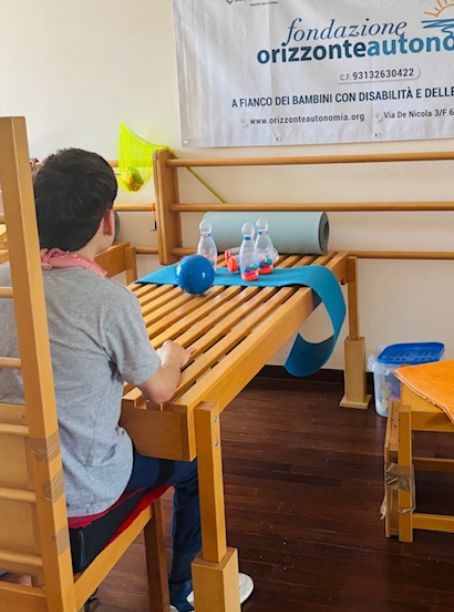
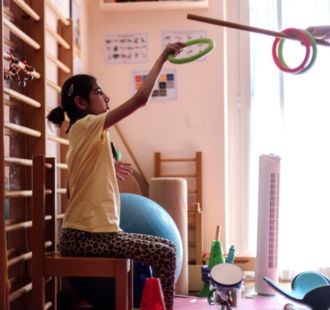
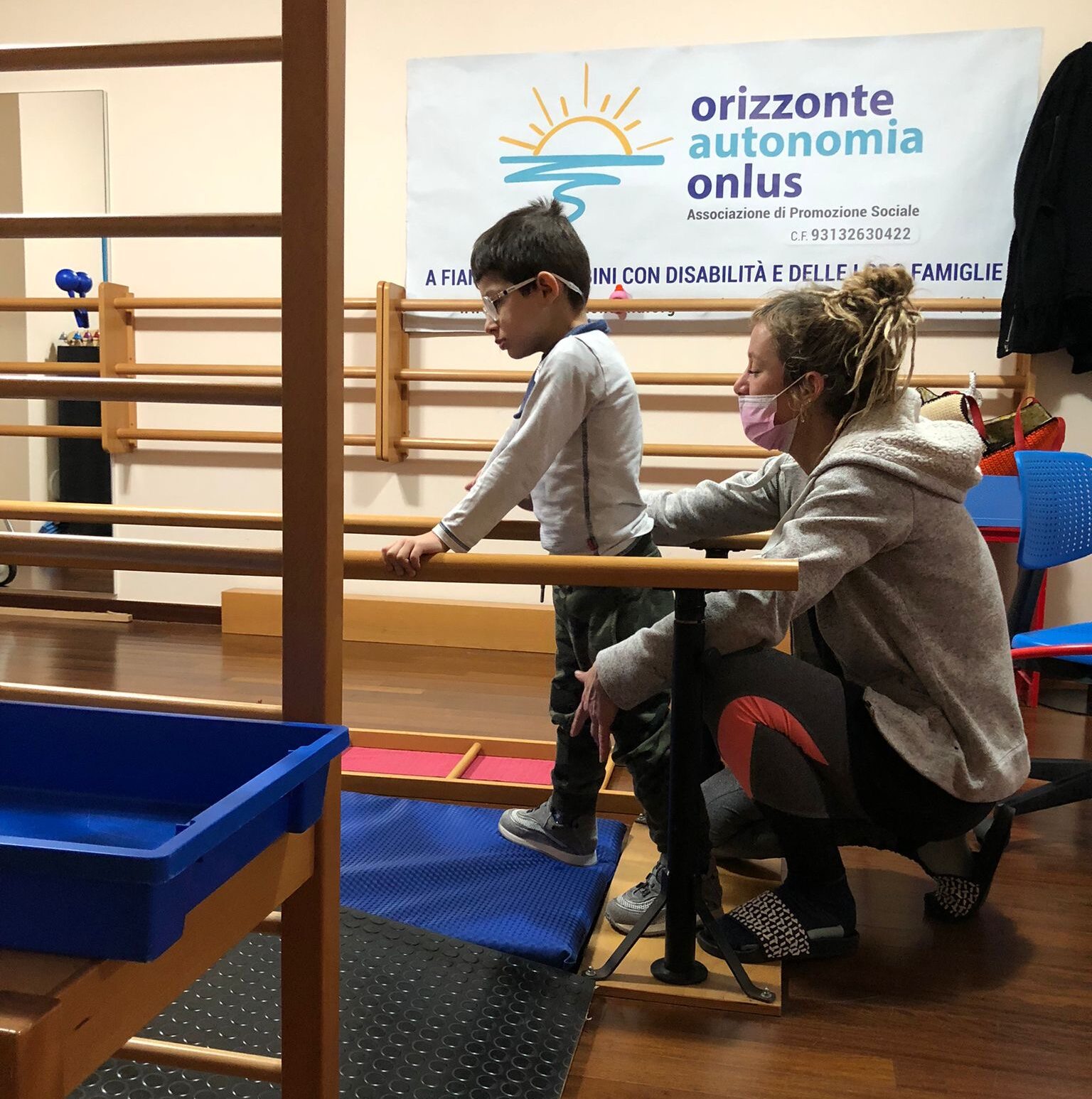
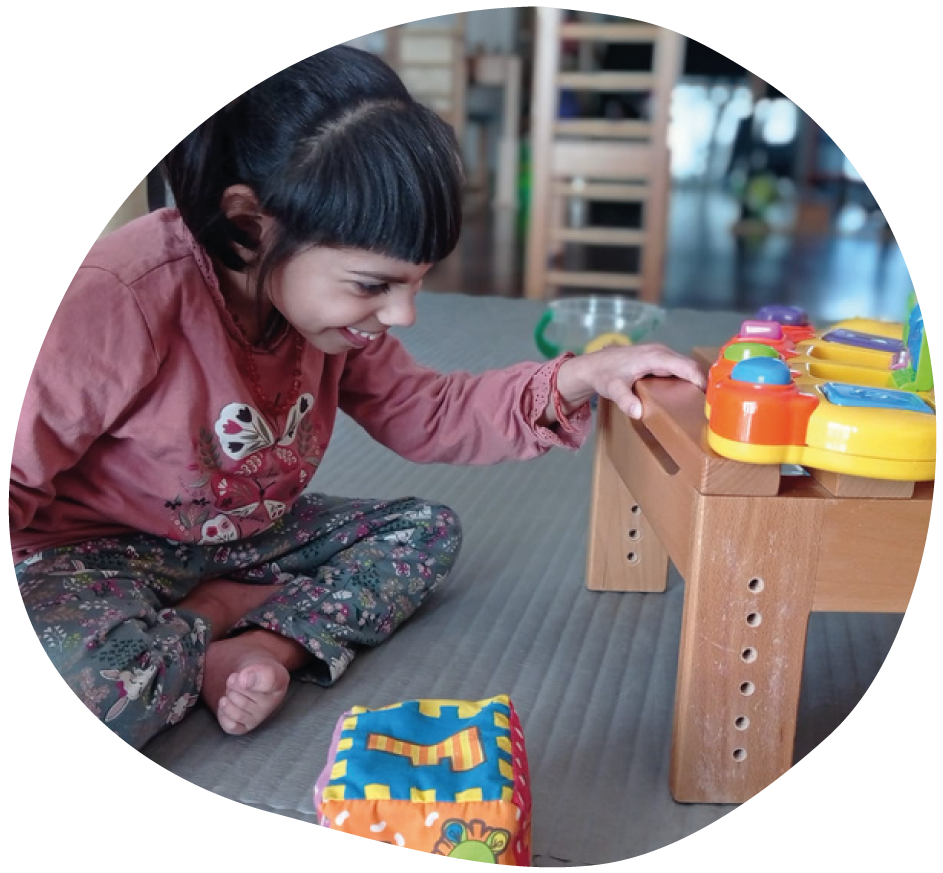
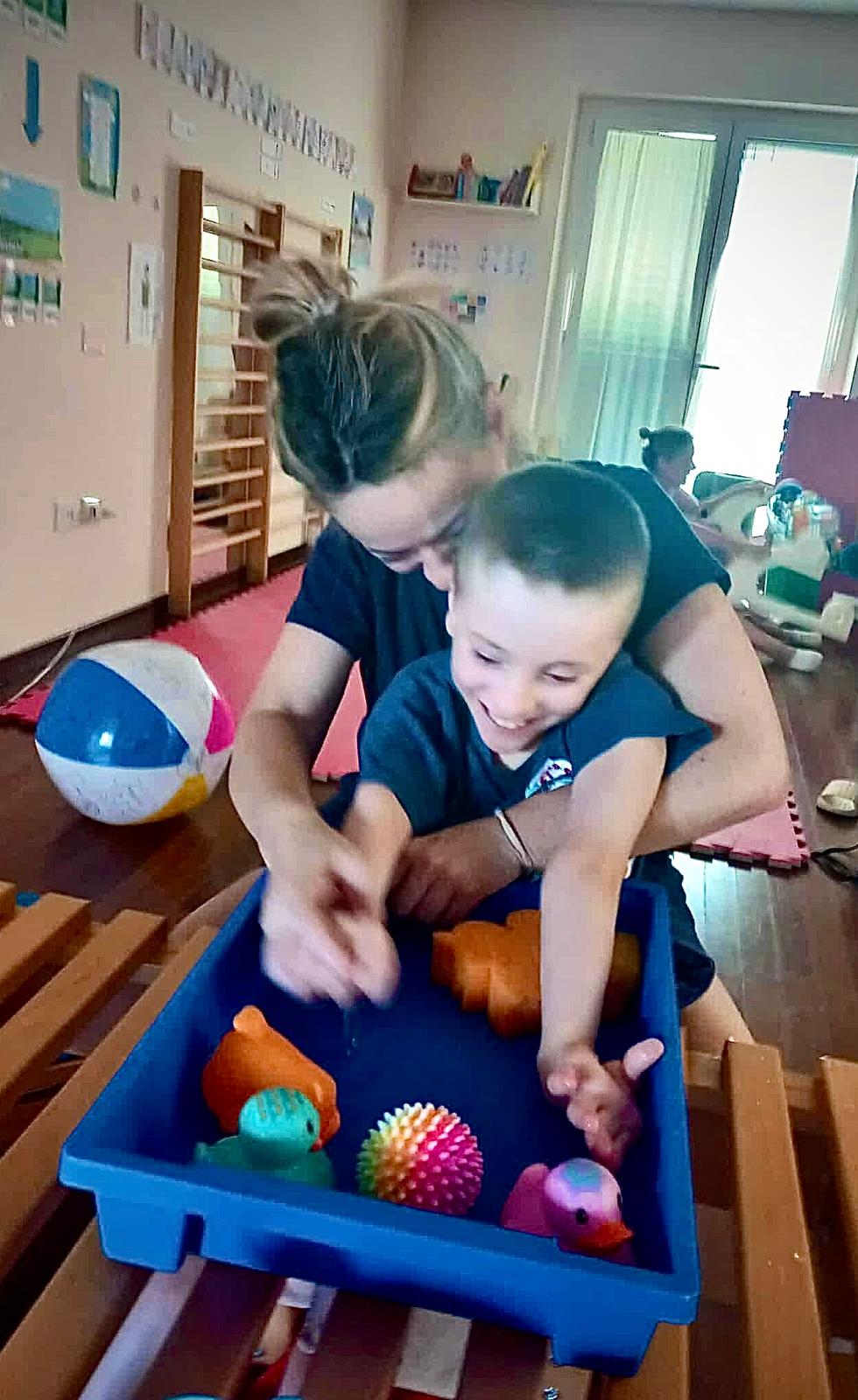
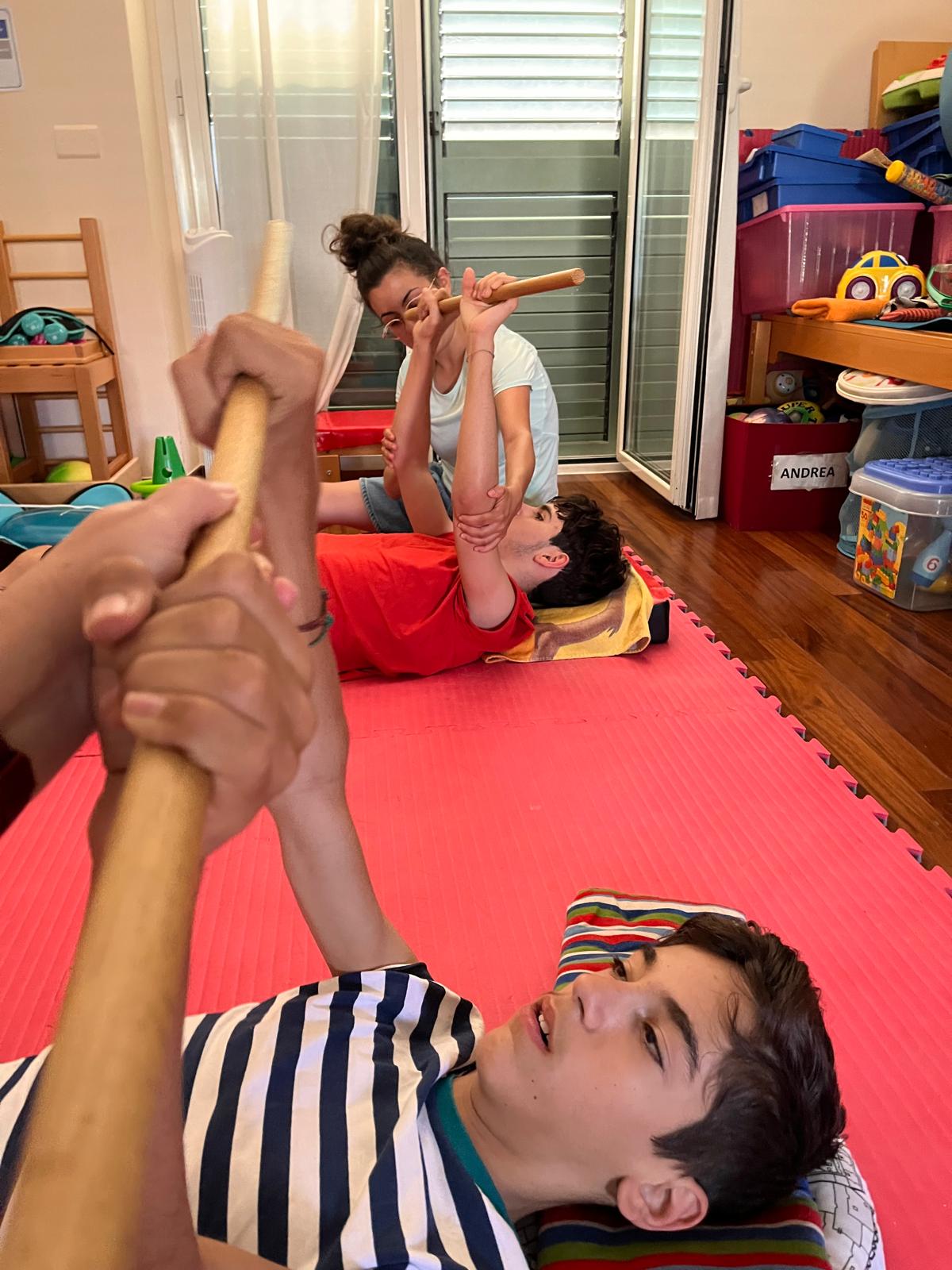
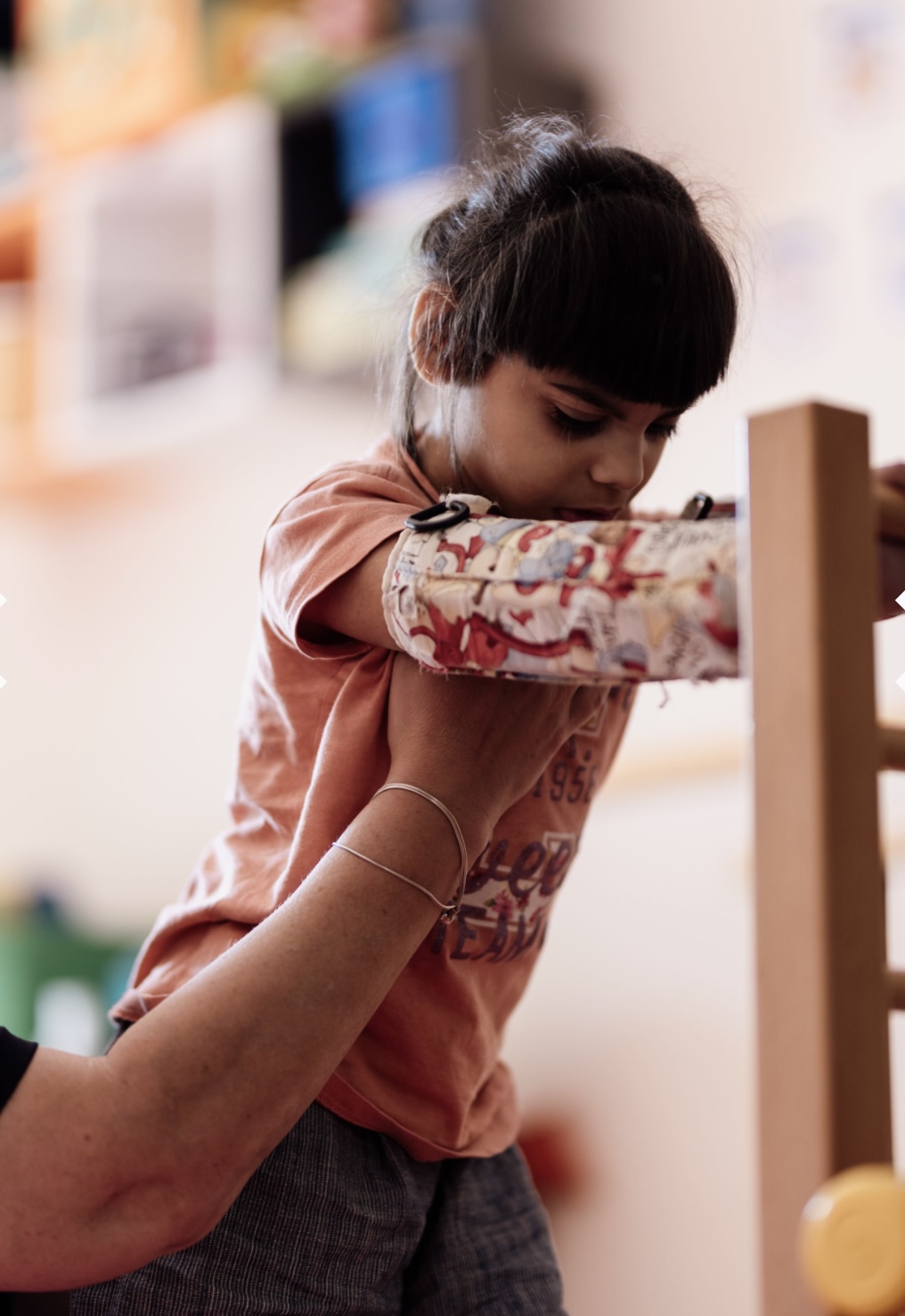
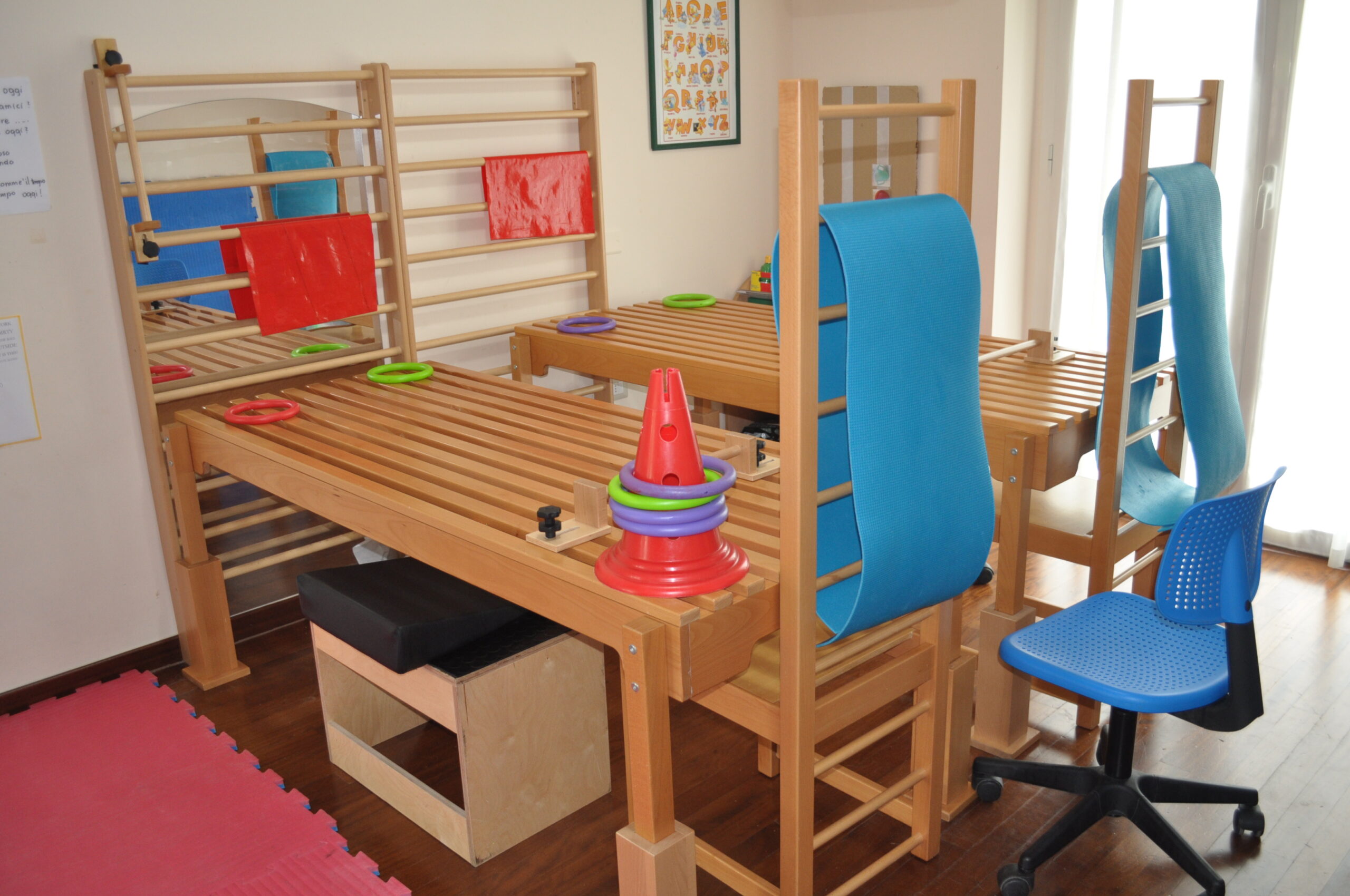
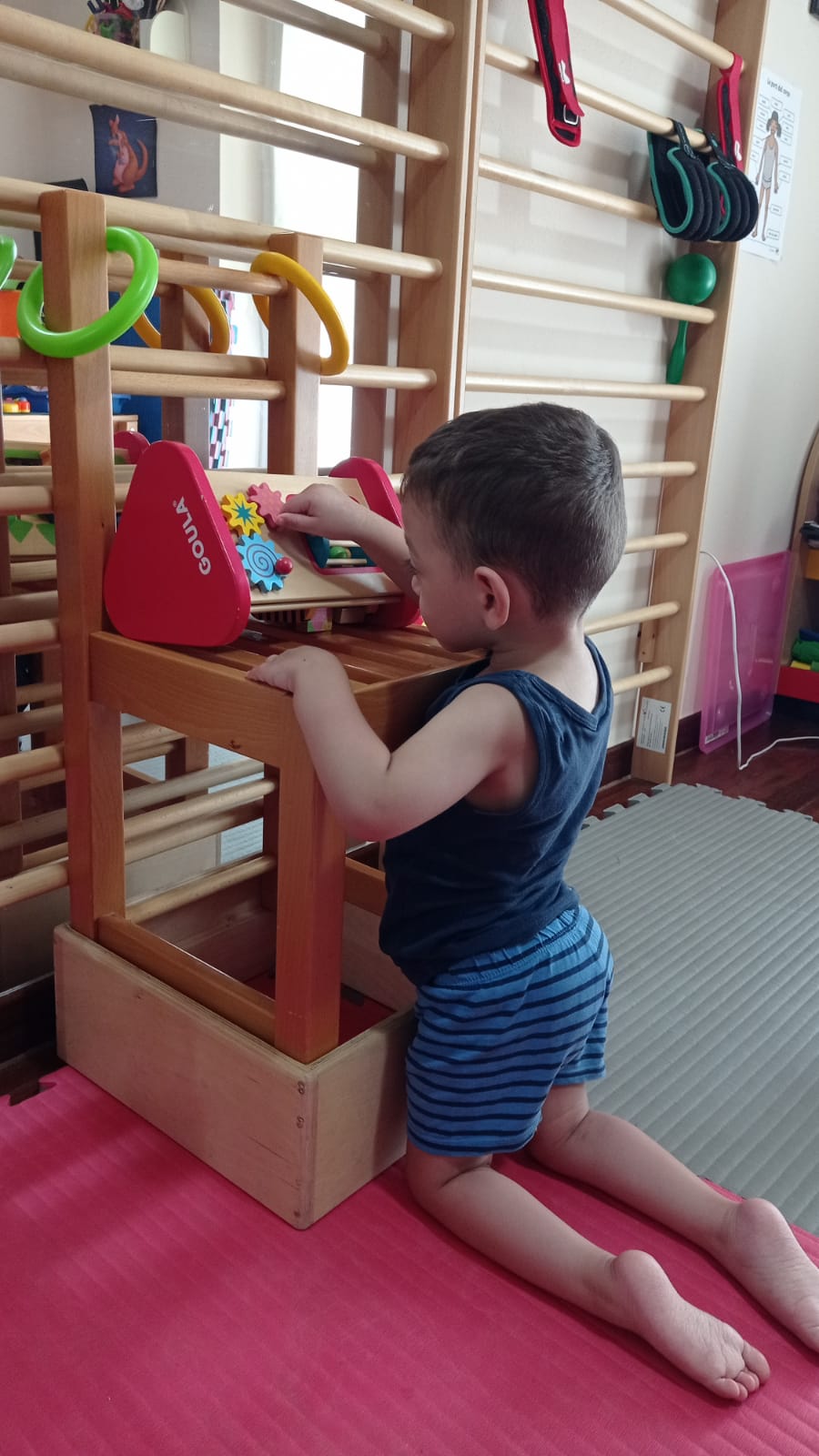
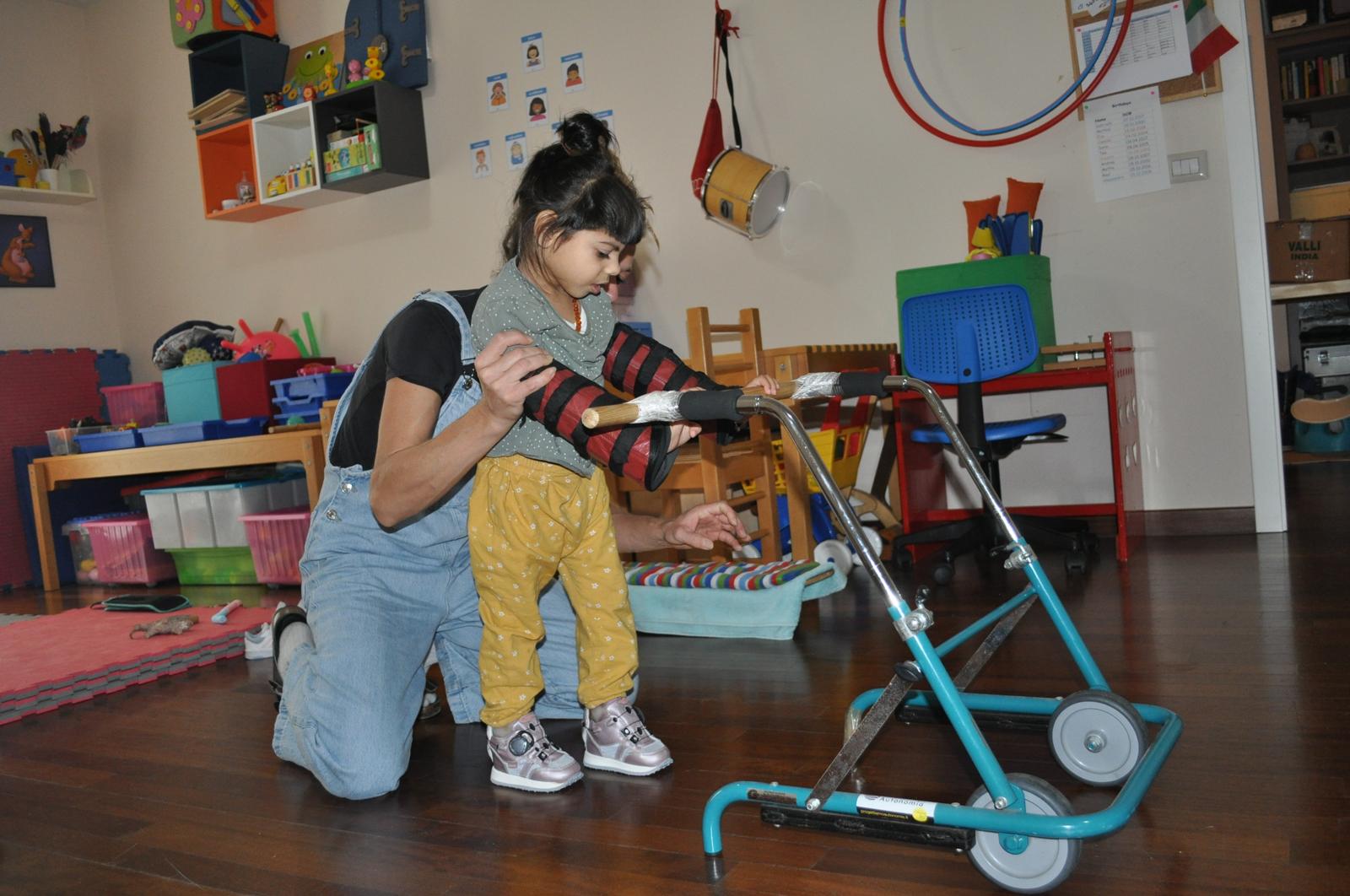
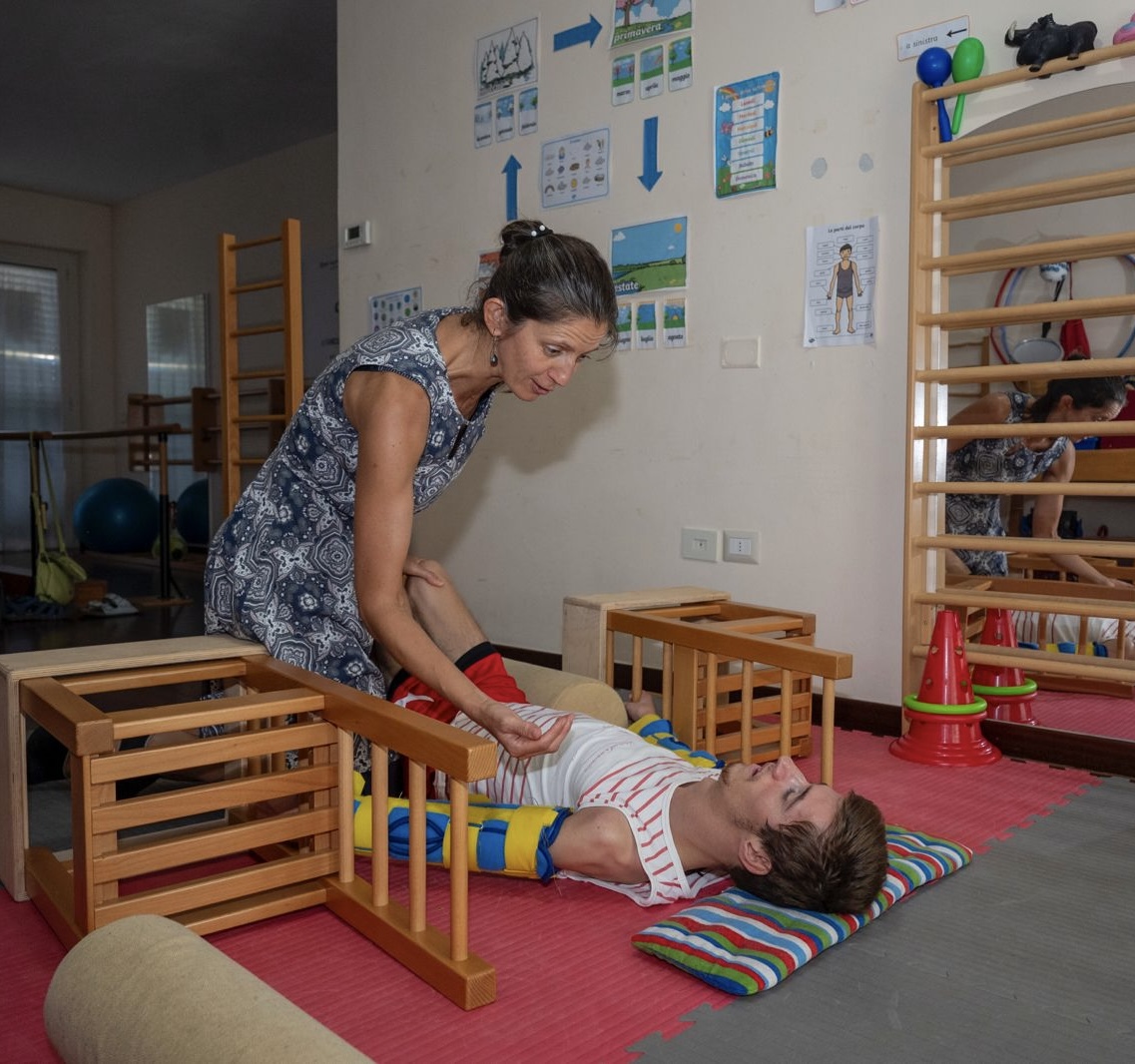
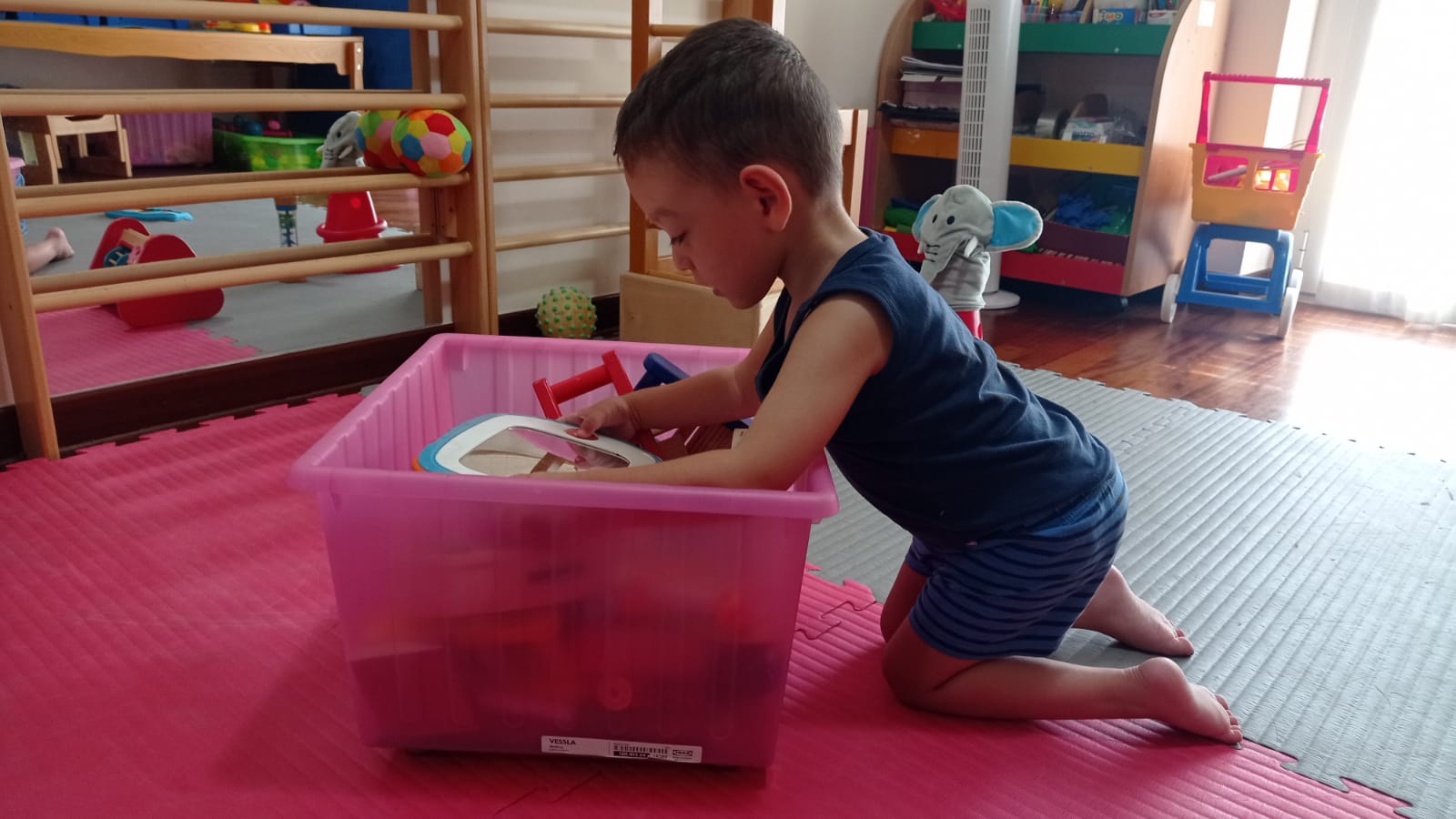
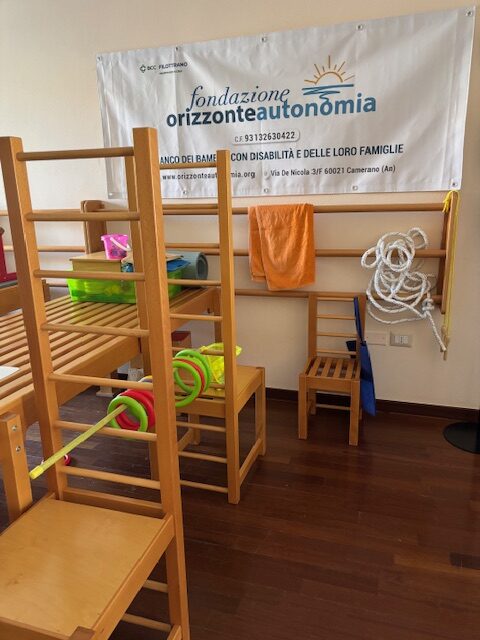
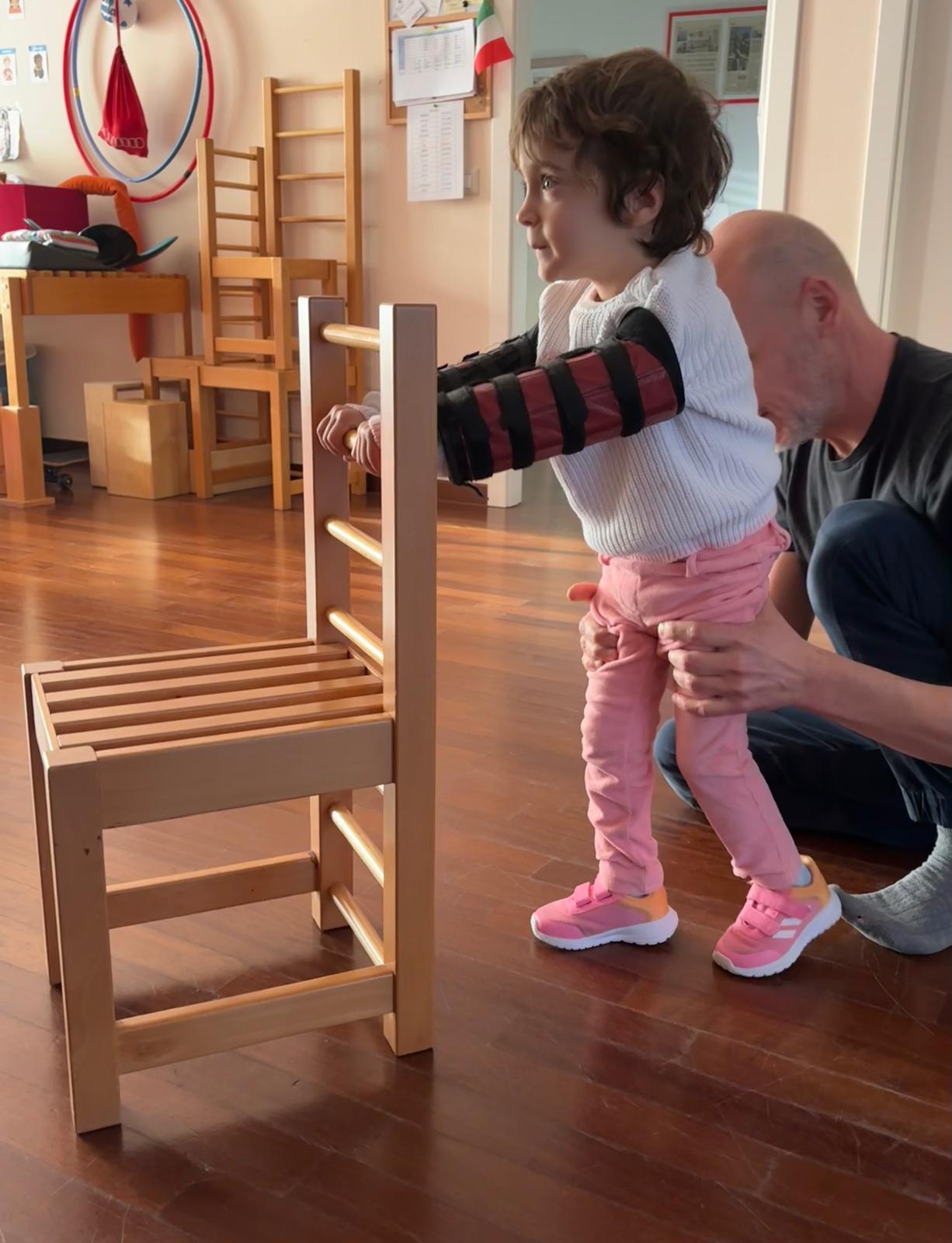
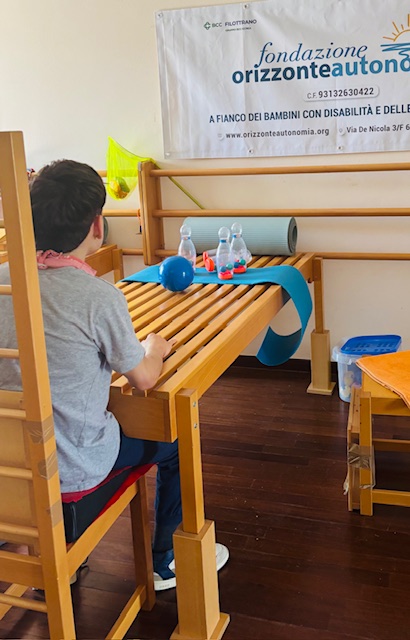
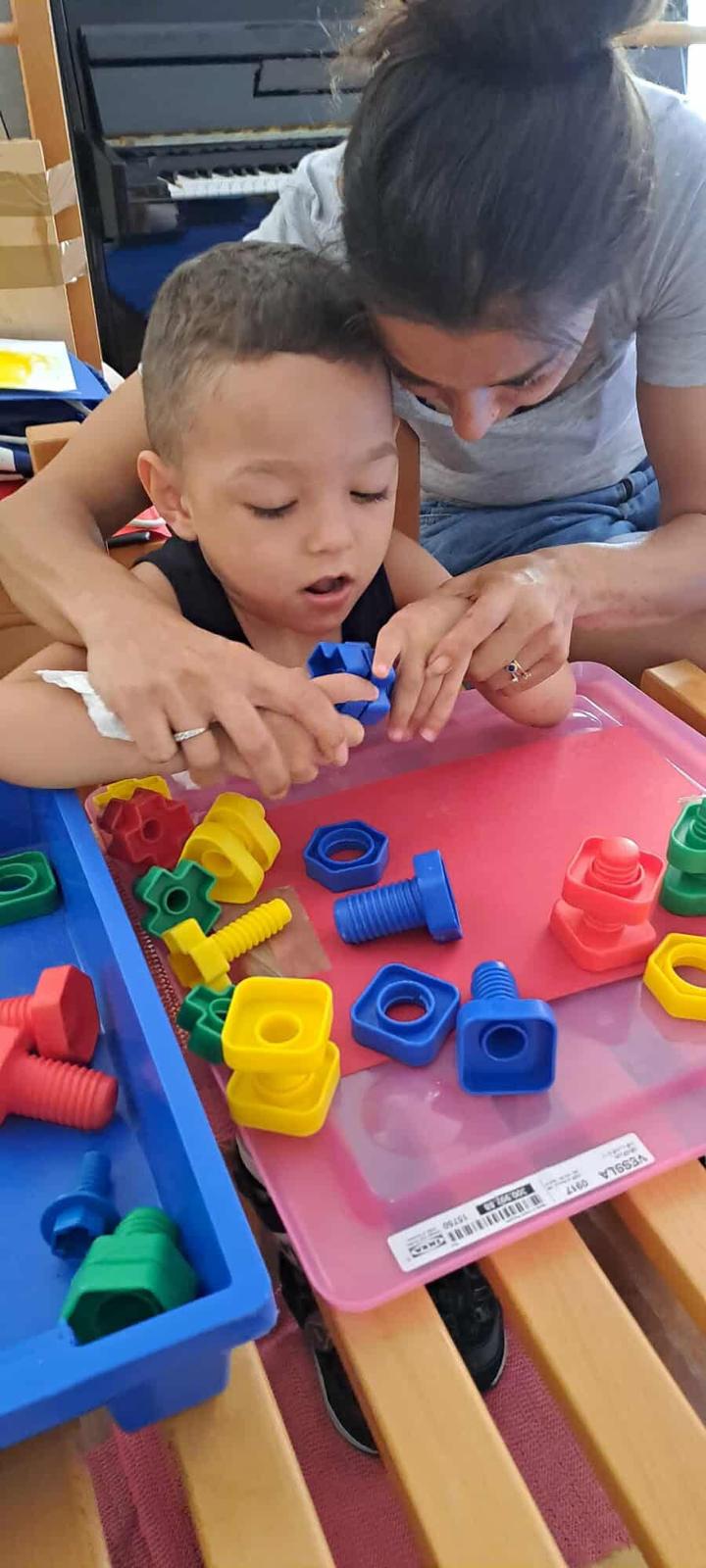
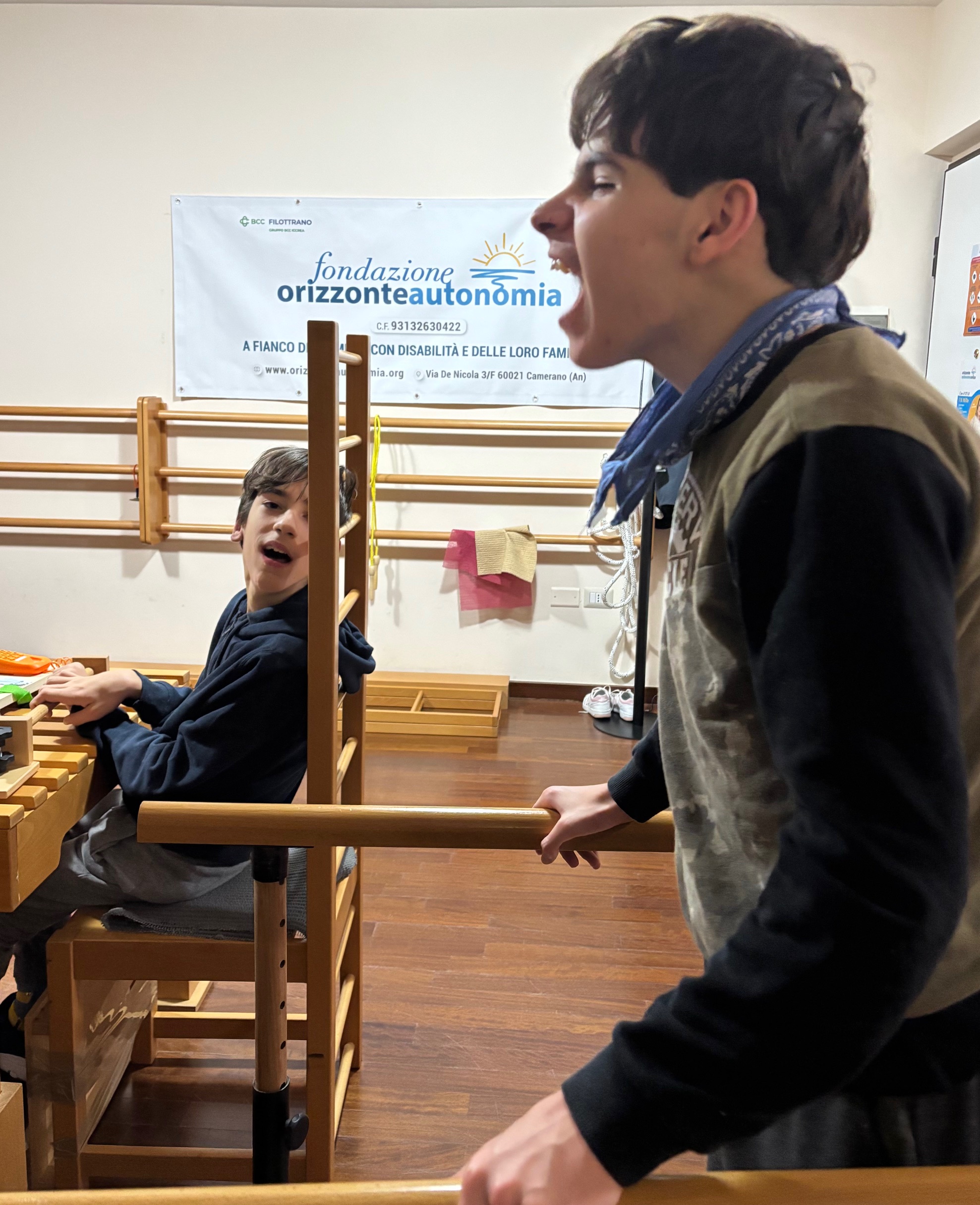
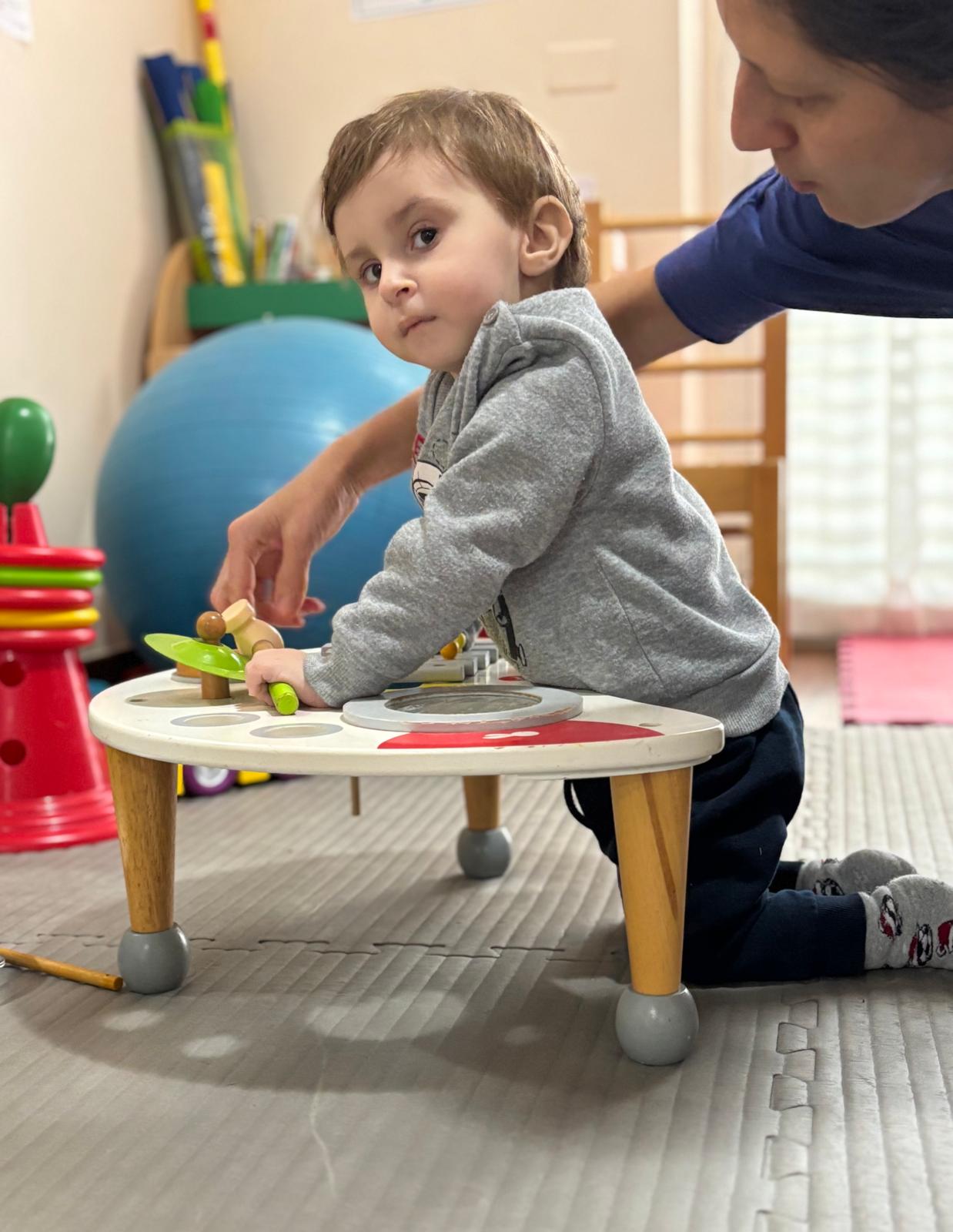
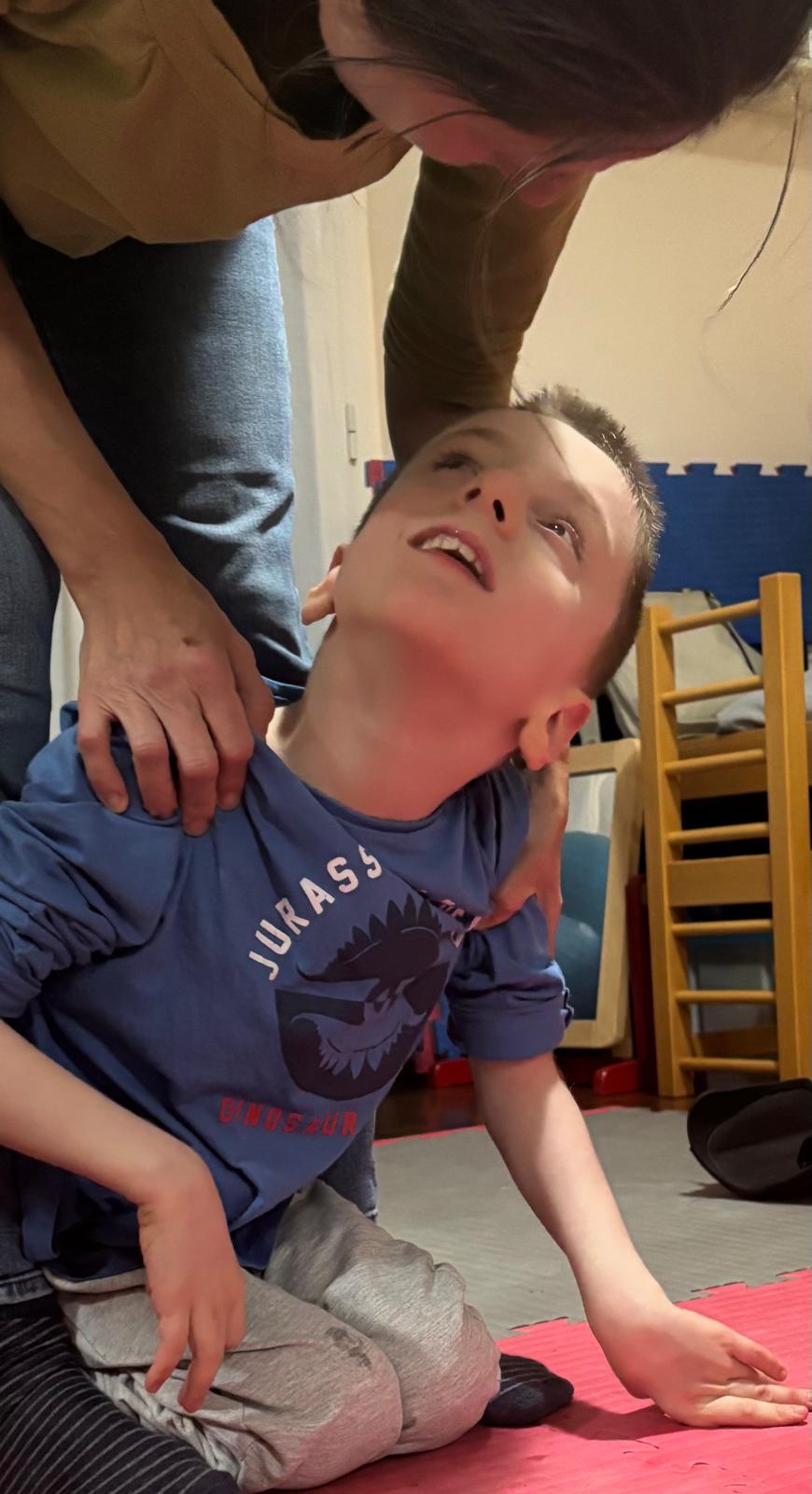
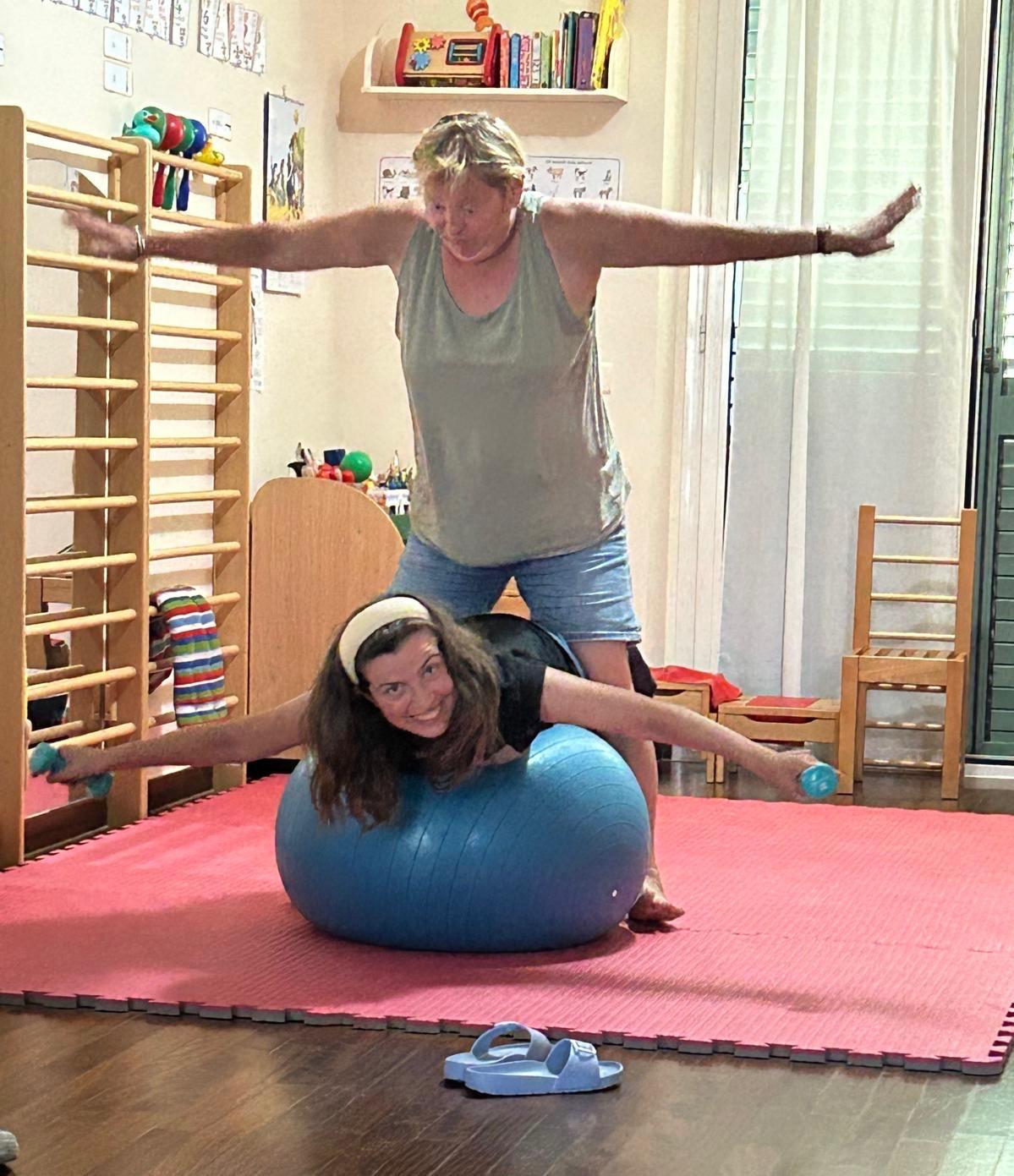
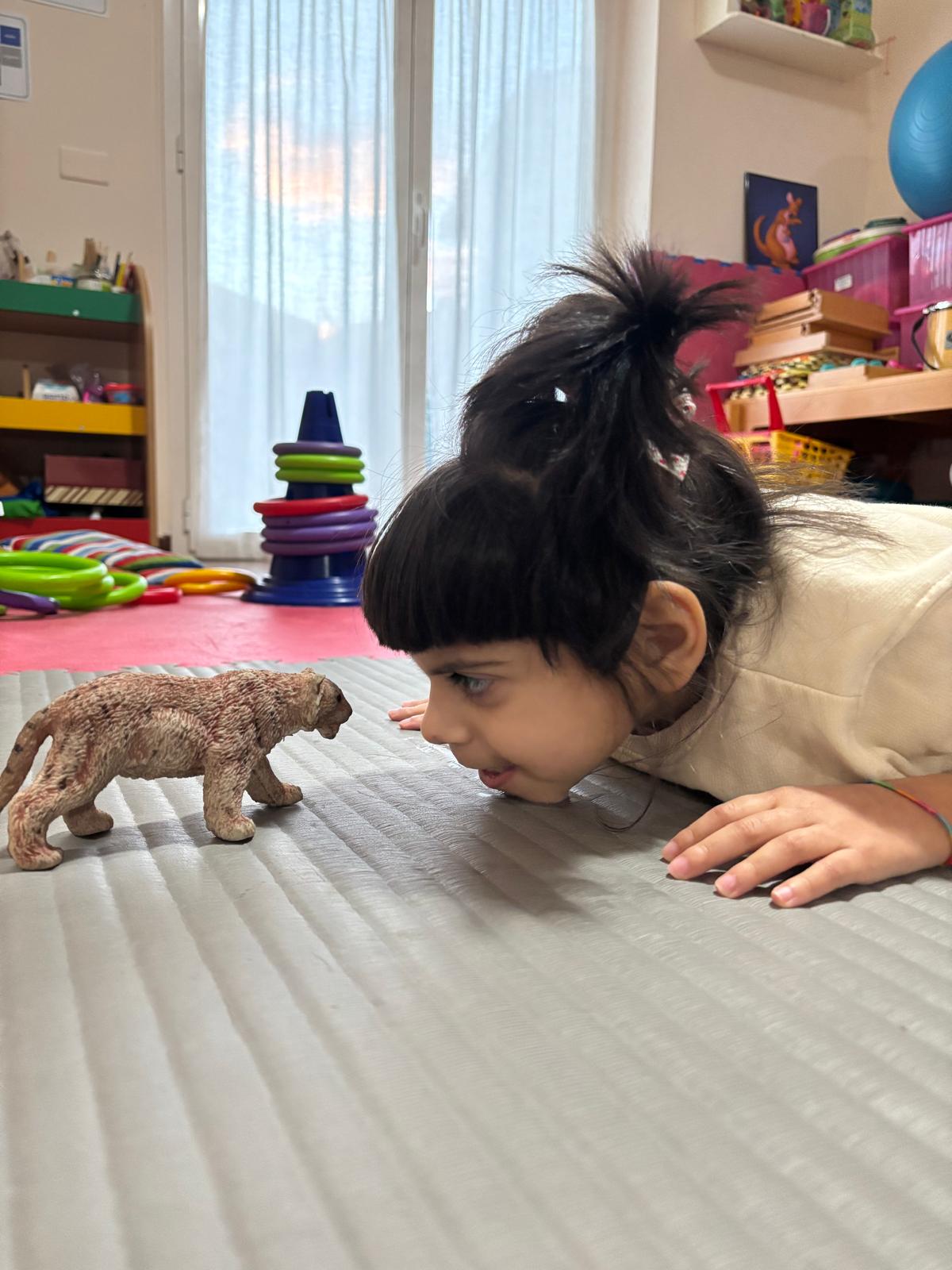
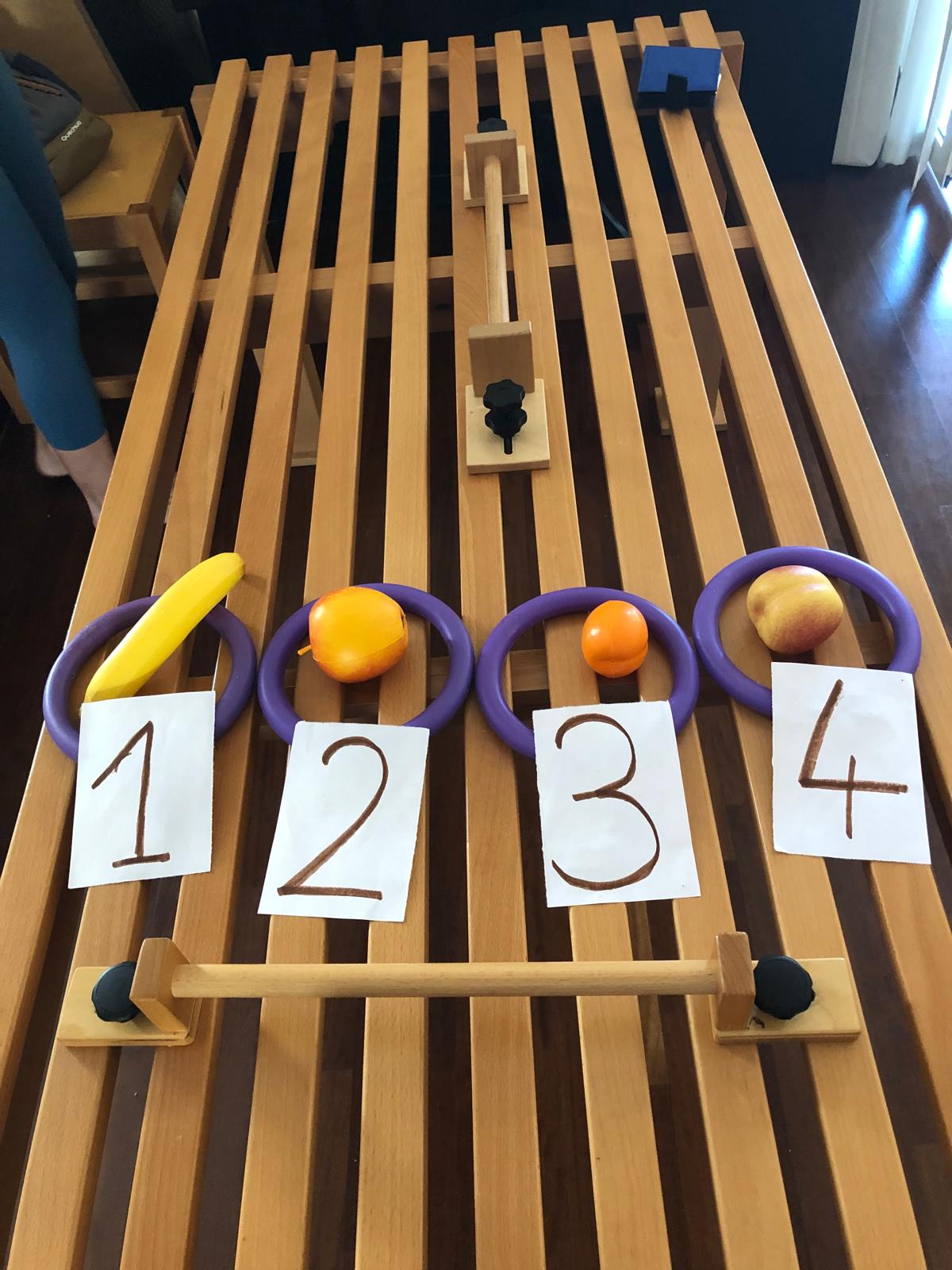
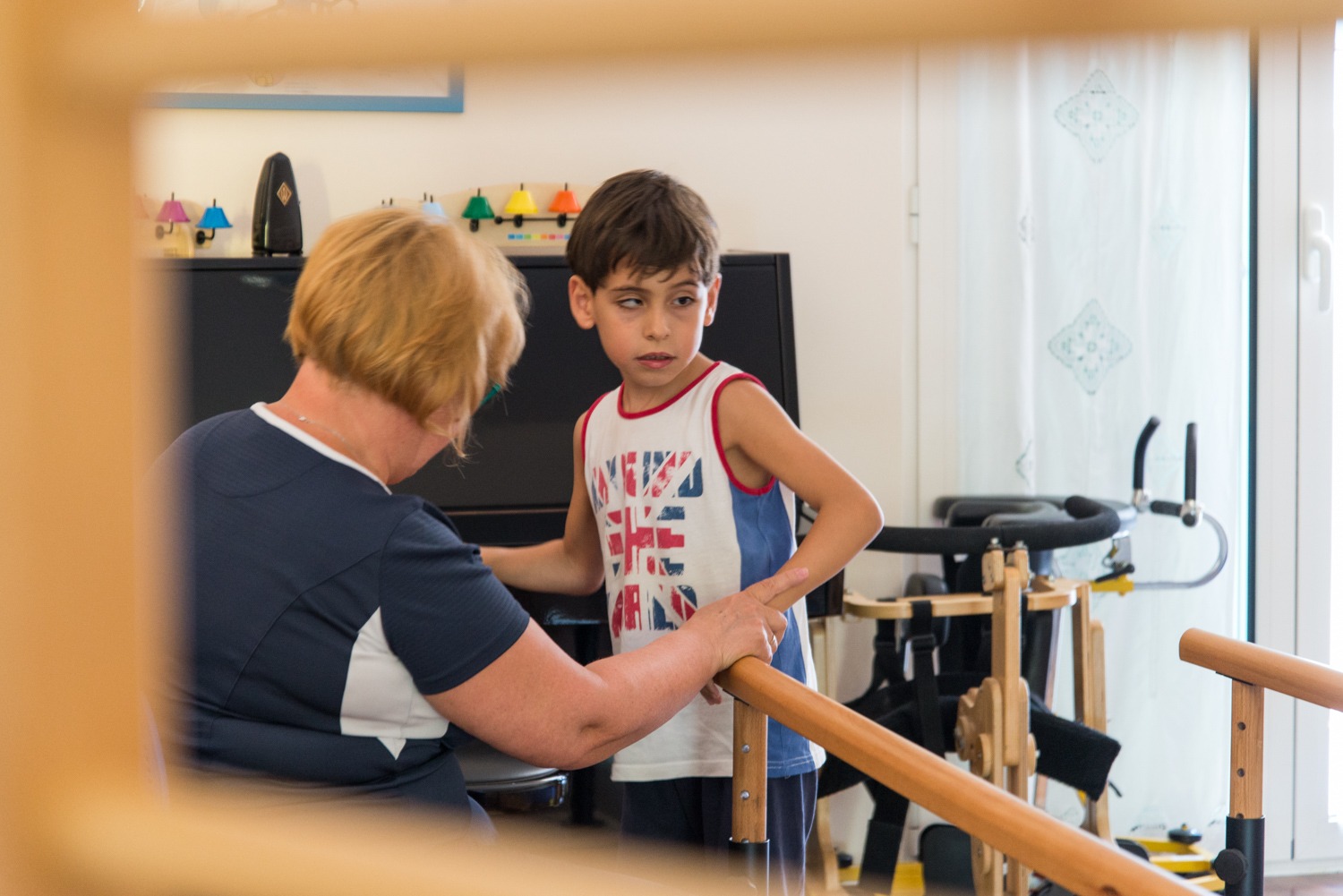
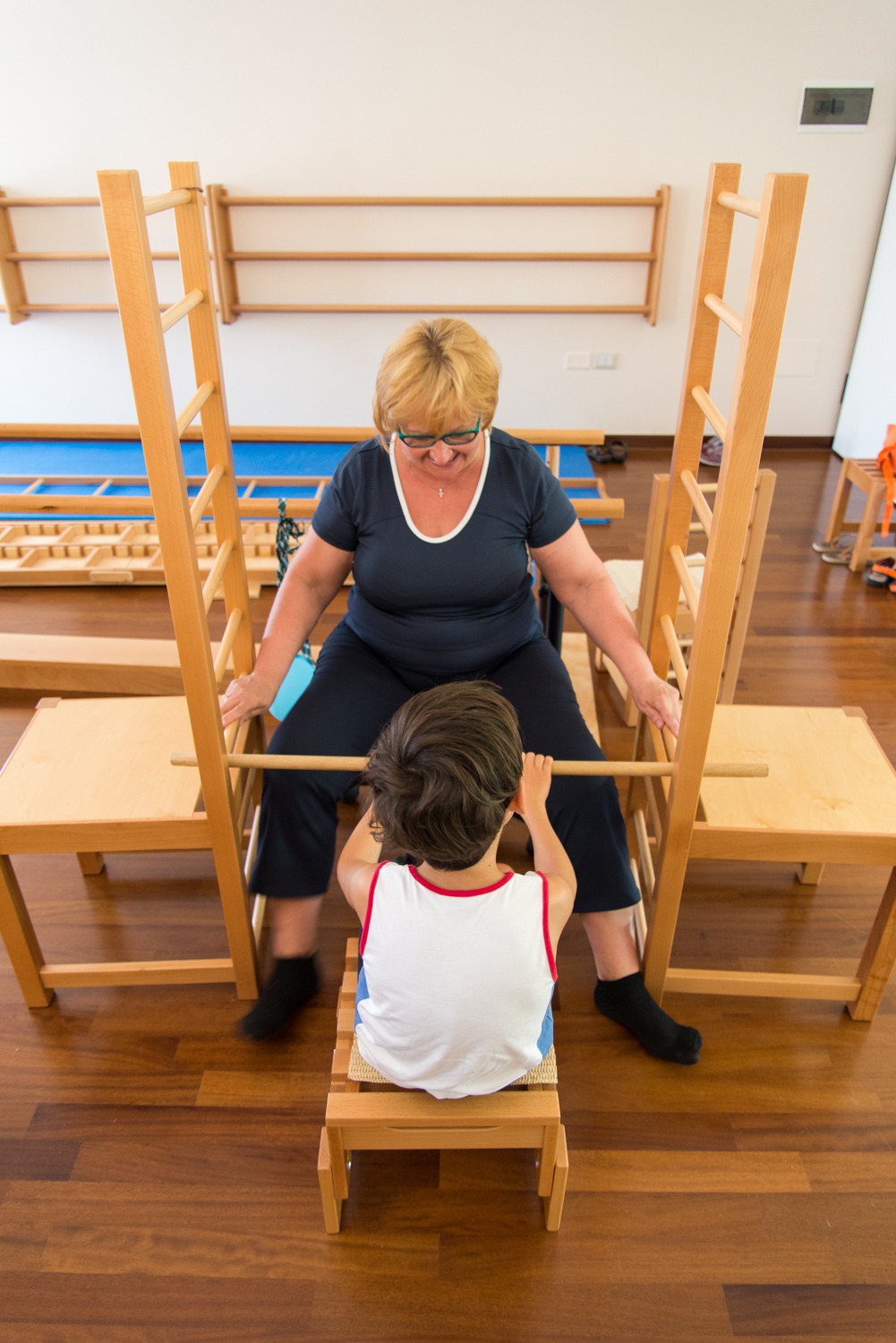
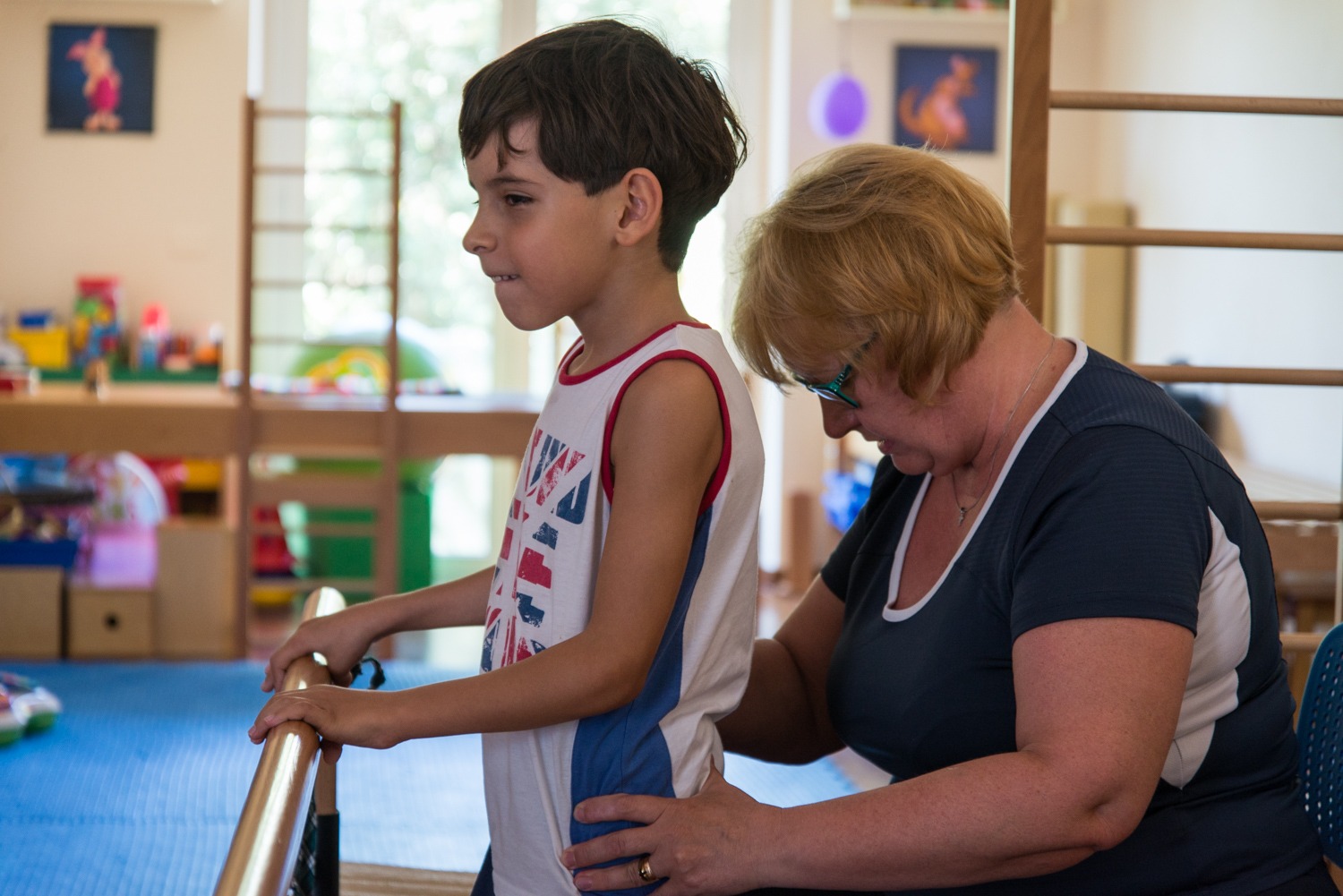
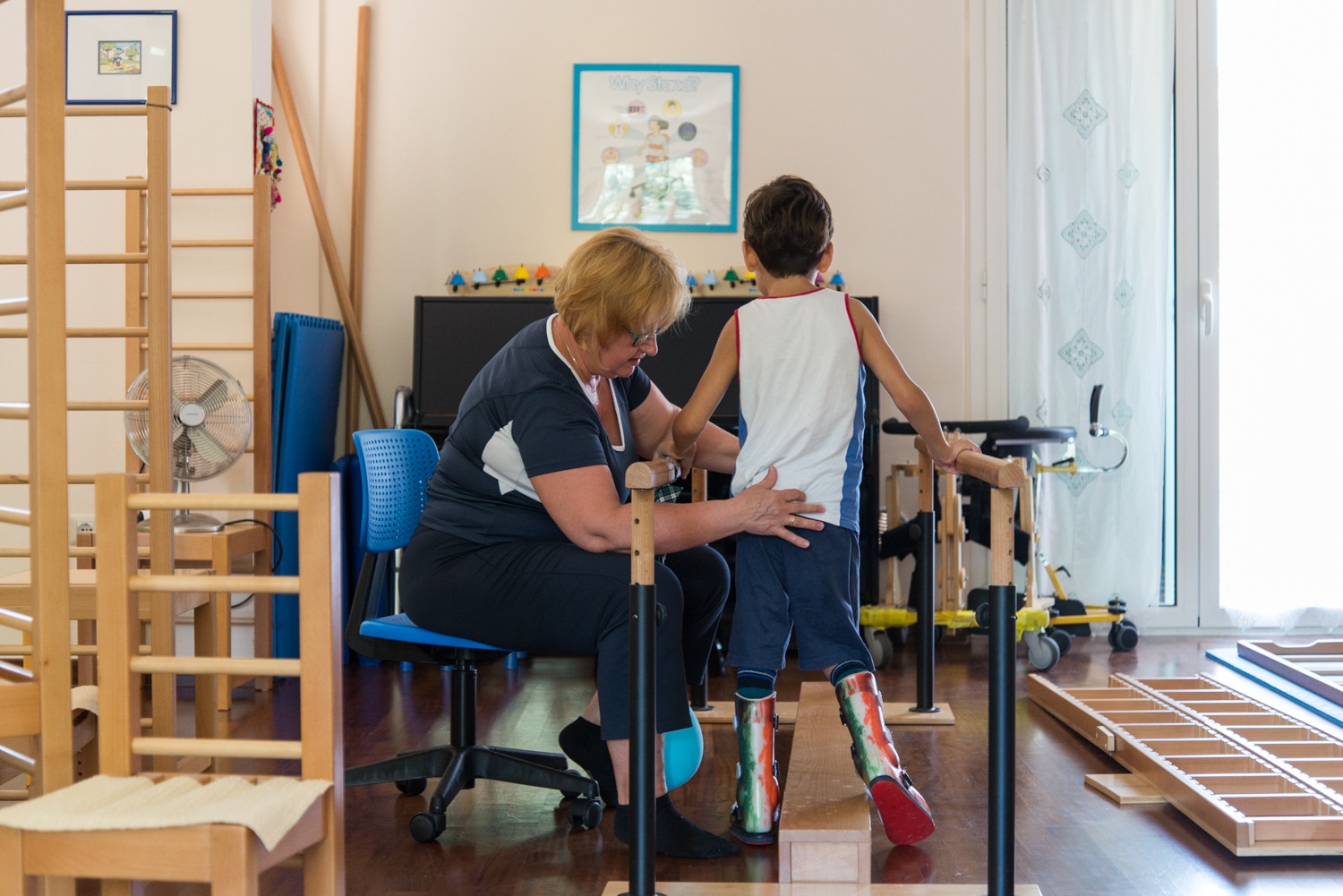
As much as possible, children do not receive passive treatments but actively participate in every activity and in their own development process, with the goal of maximizing residual abilities, strengthening self-esteem, and promoting independence, also thanks to the collaboration of family, teachers, and educators. Each session involves a progression of exercises, starting with floor activities, then seated activities, and, if possible, standing activities, promoting spatial movement management and postural transitions.
The program also aims to promote school and social inclusion, supporting independence in everyday life.
In the Conductive Education program, new skills learned with therapists should be repeated and reinforced in the daily routine (at home and at school, if possible), with the goal of turning every moment of the day into an opportunity for development—especially during a stage of life (early childhood and childhood) when the brain exhibits high plasticity and adaptability, even in the presence of neurological damage.

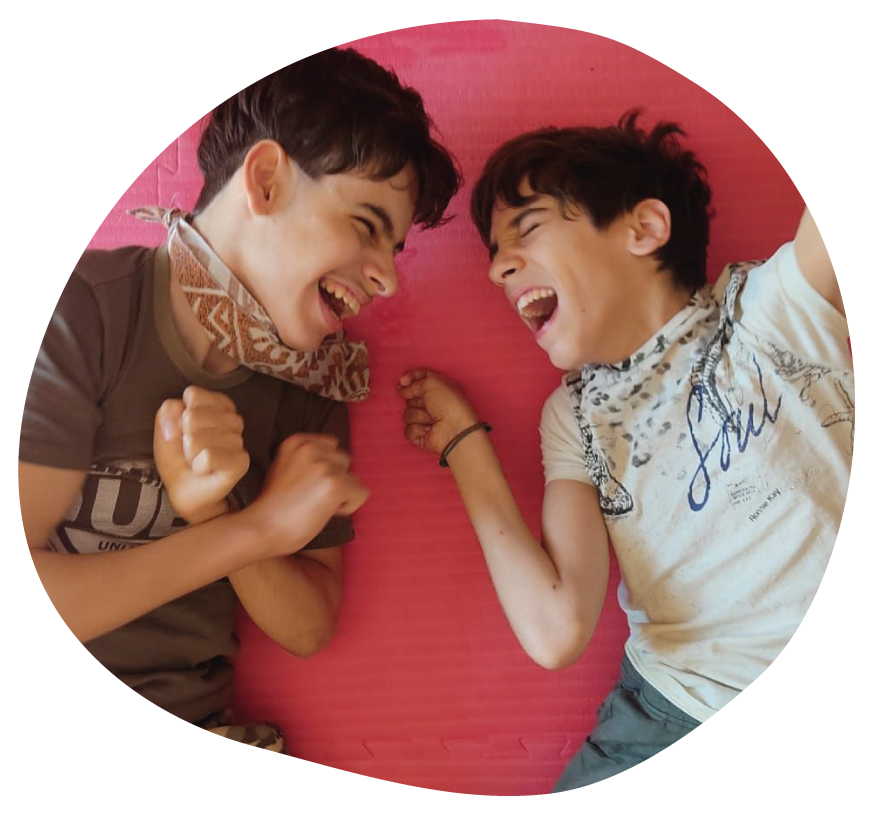
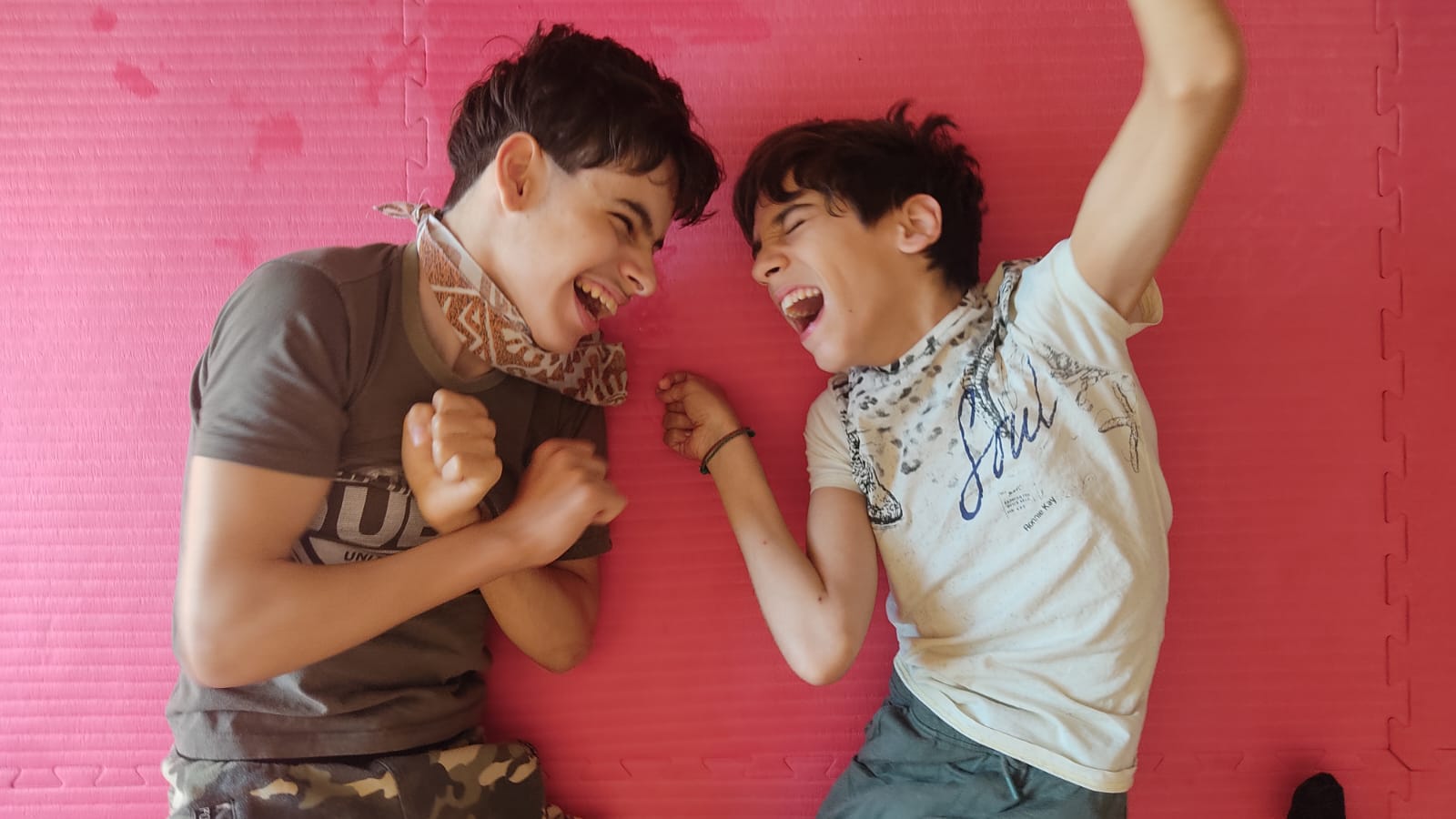
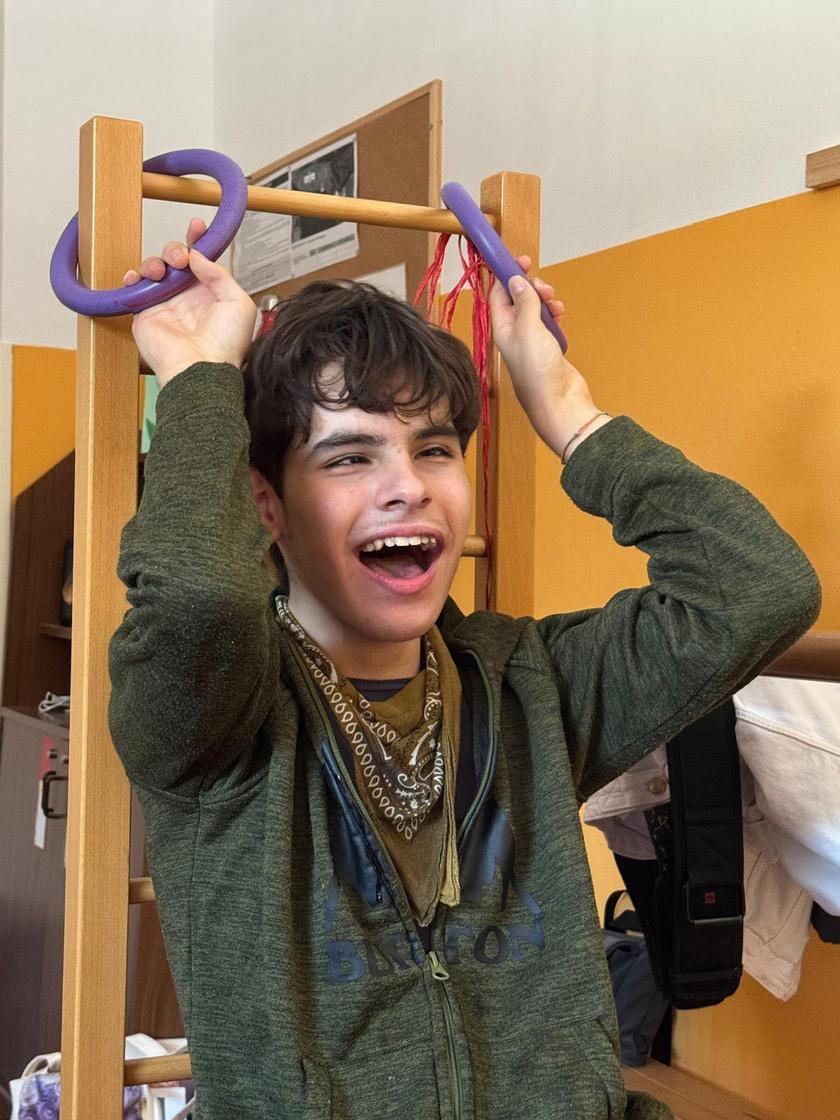
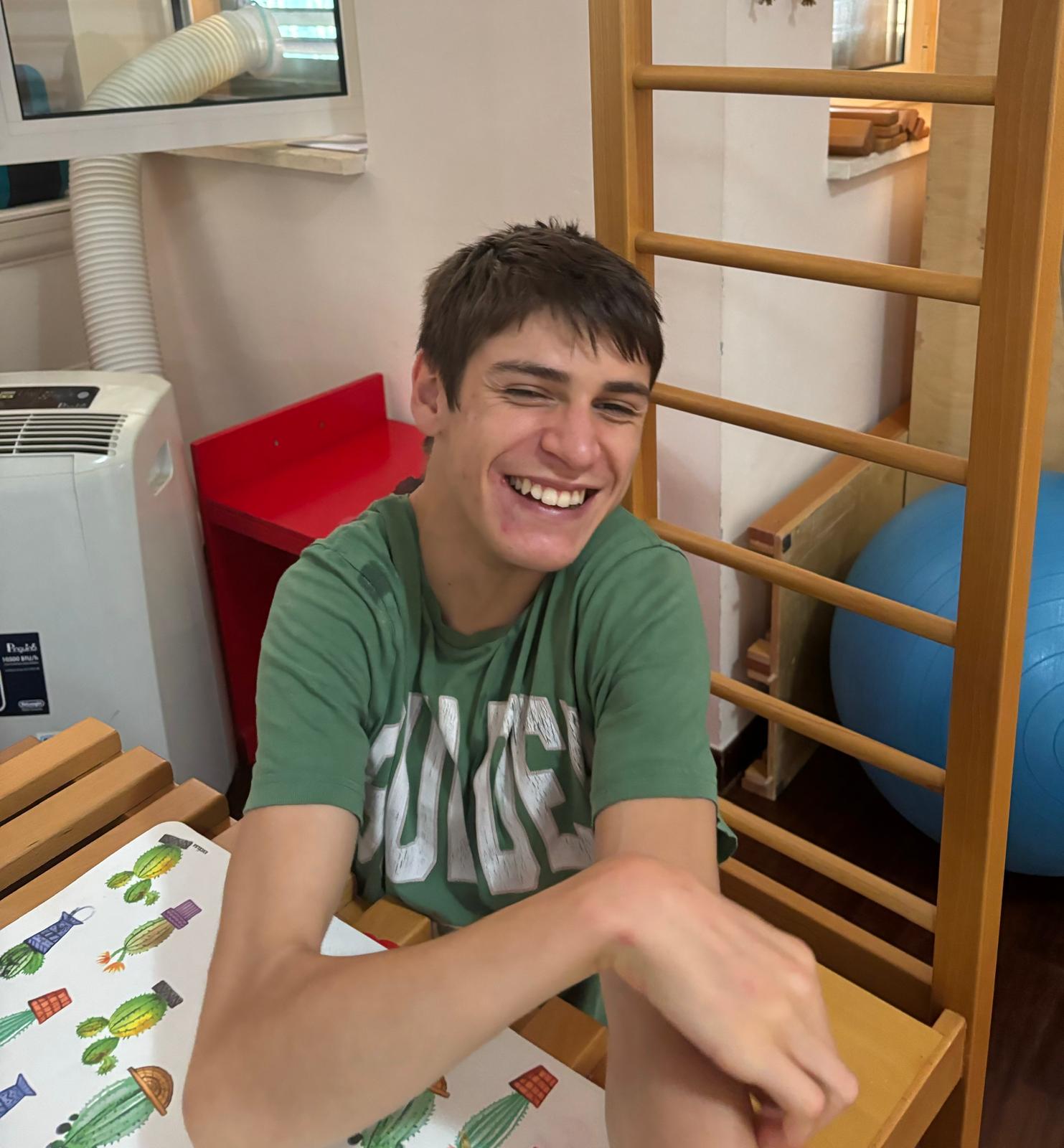
When possible (considering age homogeneity and intervention methods linked to residual abilities), children and young people work in groups, sharing experiences and motivation with peers facing similar challenges; the strength of the group is a fundamental aspect of Conductive Education theory: mutual stimulation, imitation, positive peer relationships, and—why not—fun.
Prof. Pető considered it essential that the intervention be conducted by a team of professionals with shared training, capable of a truly interdisciplinary approach, rather than by separate specialists. For this reason, Conductors are trained at the Pető International Institute in Budapest, now part of Semmelweis University. Their training begins from the first year with direct contact with children, combining theoretical education and practical internships.
This experience allows the development of not only high technical competence but also a deep educational and human sensitivity, essential for guiding children on their path to independence.