Fondazione Orizzonte Autonomia ETS

Who we are

A story of love, courage, and possibility

Some beginnings arise from pain, but precisely for this reason they are able to generate strength. The Orizzonte Autonomia ETS Foundation was founded in 2012 thanks to the initiative of a mother, Giulia, who chose to transform her personal experience with her son Andrea — who has cerebral palsy caused by perinatal distress — into a project of hope for many other families.

In the beginning, it was just a small group of parents, limited resources, and many questions. But there was also a stubborn determination—one that can only come from love. Today, more than a decade later, the Foundation is a solid, recognized, and constantly evolving reality. A community that grows with the people who are part of it, with the children who pass through its rooms, with the smiles that fill them.

In March 2024, the organization also underwent its formal transformation into an ETS Foundation, the culmination of a path marked by courageous choices, innovative projects, and trust built day after day. Yet its deepest identity remains unchanged: believing in the potential of every child, even when the world around them seems to deny it.


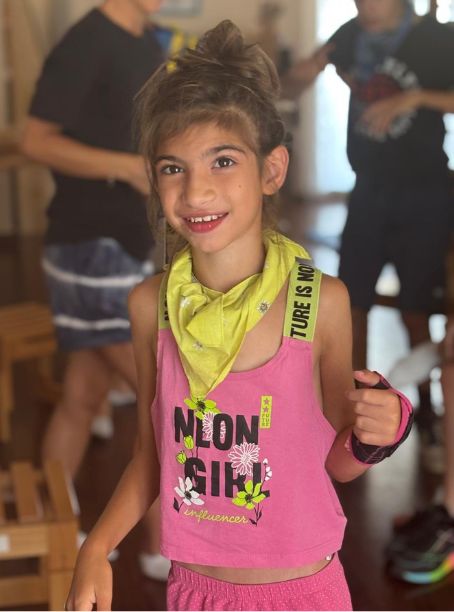
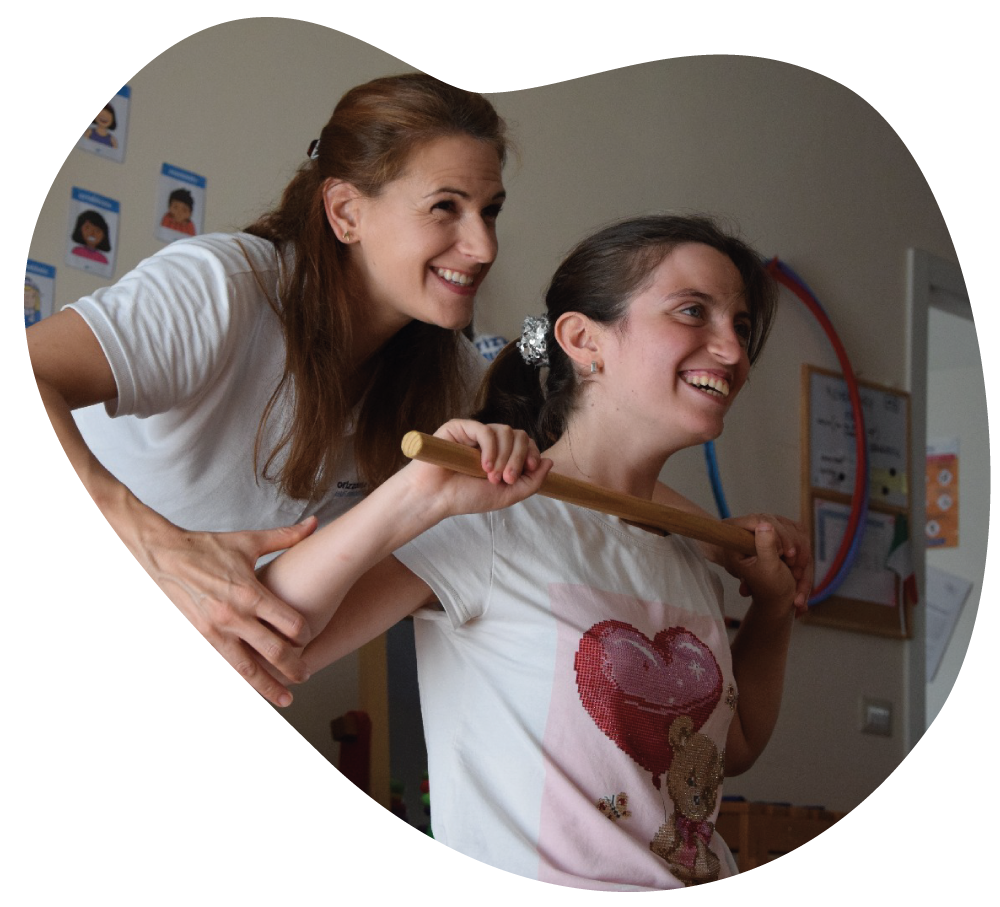
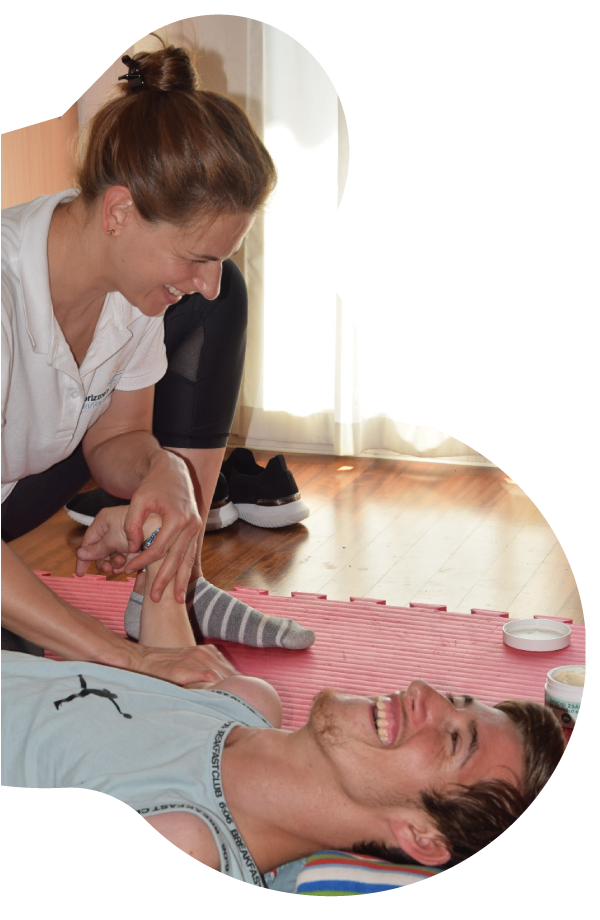
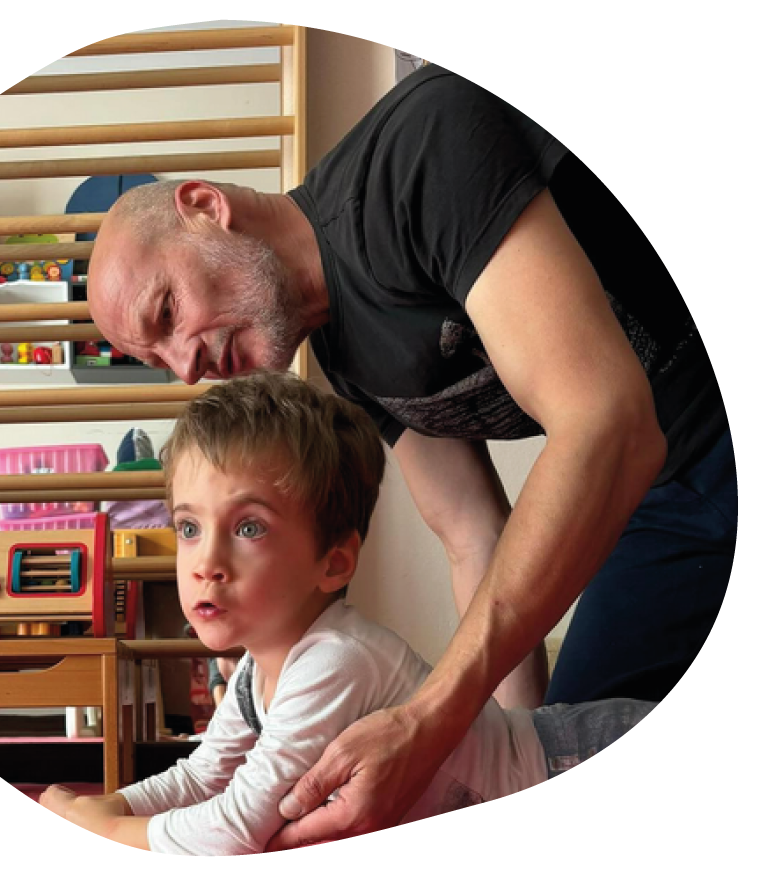
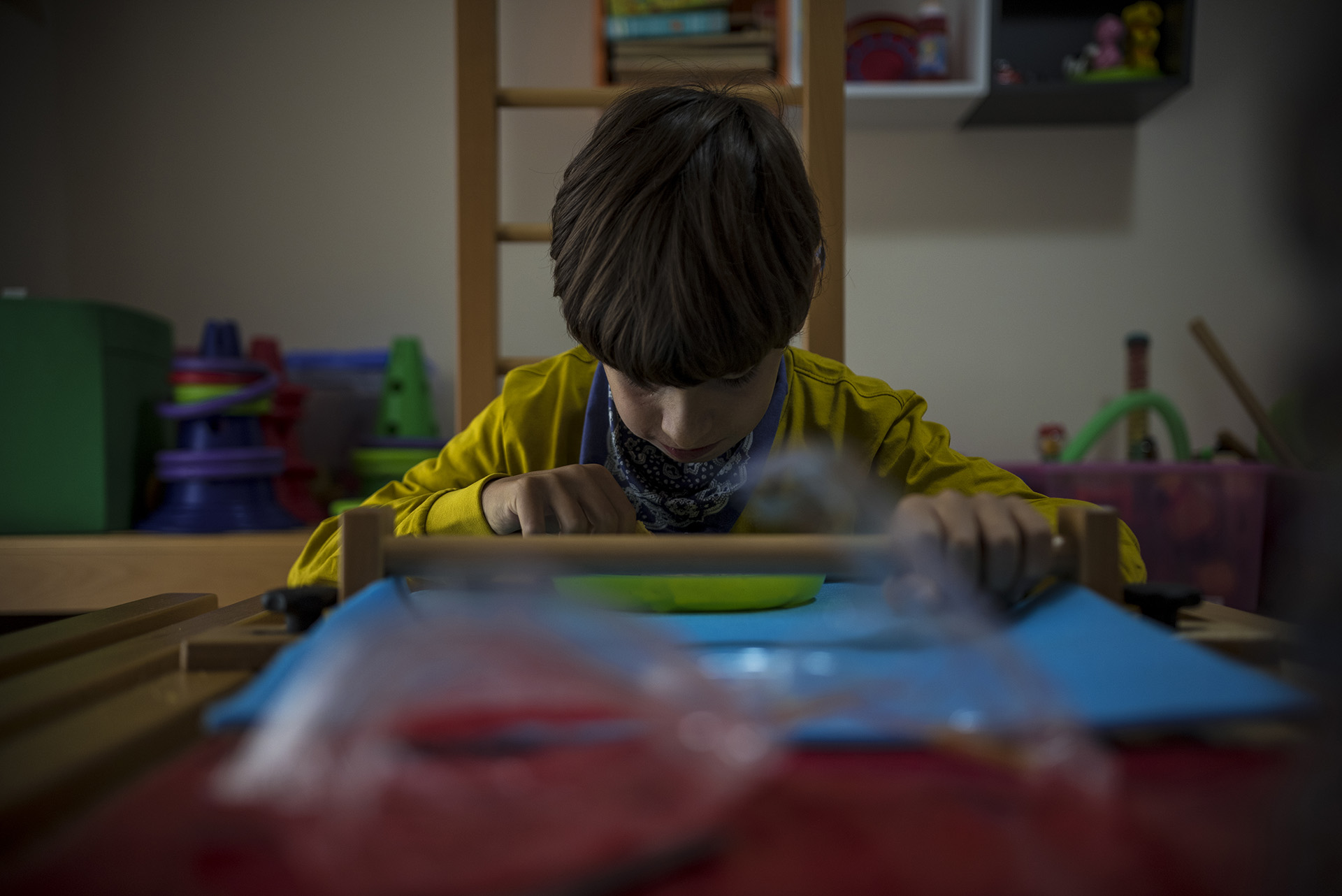
Based in Camerano, in the province of Ancona, the Orizzonte Autonomia Foundation ETS is today one of the few facilities in Italy specialized in Conductive Education, a method developed in Hungary that focuses on fostering recovery and the development of autonomy in children with neuromotor disabilities. Eating independently, getting dressed, moving through space, taking part in an activity: every action, even the simplest one, becomes an achievement, a form of freedom.


But our work goes beyond rehabilitation. We support entire families—parents, brothers, and sisters—through a journey that is also emotional, social, and relational. Because no one grows alone, and every progress a child makes is the result of a system that supports, observes, and encourages them.

For this reason, alongside educational treatments, we have developed targeted projects: for siblings, for caregivers, for schools, for sports, and for summer activities.


Throughout our journey, we have delivered thousands of hours of Conductive Education treatment, supported dozens and dozens of families, and built strong partnerships with public institutions and private partners. Today, there is a stable and passionate team capable of working in depth, while also reinventing itself when necessary. During the pandemic, for example, our work did not stop: new forms of remote intervention were developed to ensure that families were not left alone, and to reaffirm that the path toward autonomy cannot be put on hold, not even in times of emergency.


Today we look ahead with the same passion we had at the beginning, but with stronger tools. We understand the value of time, trust, and continuity. We know that every story is unique, yet all deserve to be heard, respected, and given opportunities. Because, as Andrea teaches us every day, disability is not an end. It is another way of beginning.
Our projects: together towards autonomy

In addition to its rehabilitative work, the Foundation promotes projects dedicated to the whole family and the wider community.

  • Caregiver Project – Psychological support and spaces for sharing for parents who care for children with disabilities.
  • Siblings Project – Programs dedicated to siblings to process emotions and strengthen family bonds.
  • School Project – Collaboration with educational institutions to bring Conductive Education into the classroom.
  • Summer Camp – Two weeks of educational and recreational activities to foster autonomy and inclusion.
  • InSuperAbily Project – Inclusive sports initiatives (running, trekking, excursions) to experience sport as an opportunity for social connection and freedom.
DIGITAL ACCESSIBILITY: A COMMITMENT THAT INCLUDES EVERYONE
We believe that everyone has the right to be heard, even through a screen.
For this reason, our website complies with the digital accessibility standards required by law, so that no one is excluded from the right to information and services. By clicking the icon at the bottom left, you can open the accessibility panel, which provides tools for people who are visually impaired, have ADHD, dyslexia, epilepsy, or color blindness, allowing them to tailor their browsing experience to their needs.
Support our projects

Find out how to help us, your contribution can make a difference